
The Most Magical Tool in my Parent Toolkit
Raising children is one of the most challenging jobs, and despite that, many people feel utterly underprepared. I want …
Read more
General Parenting
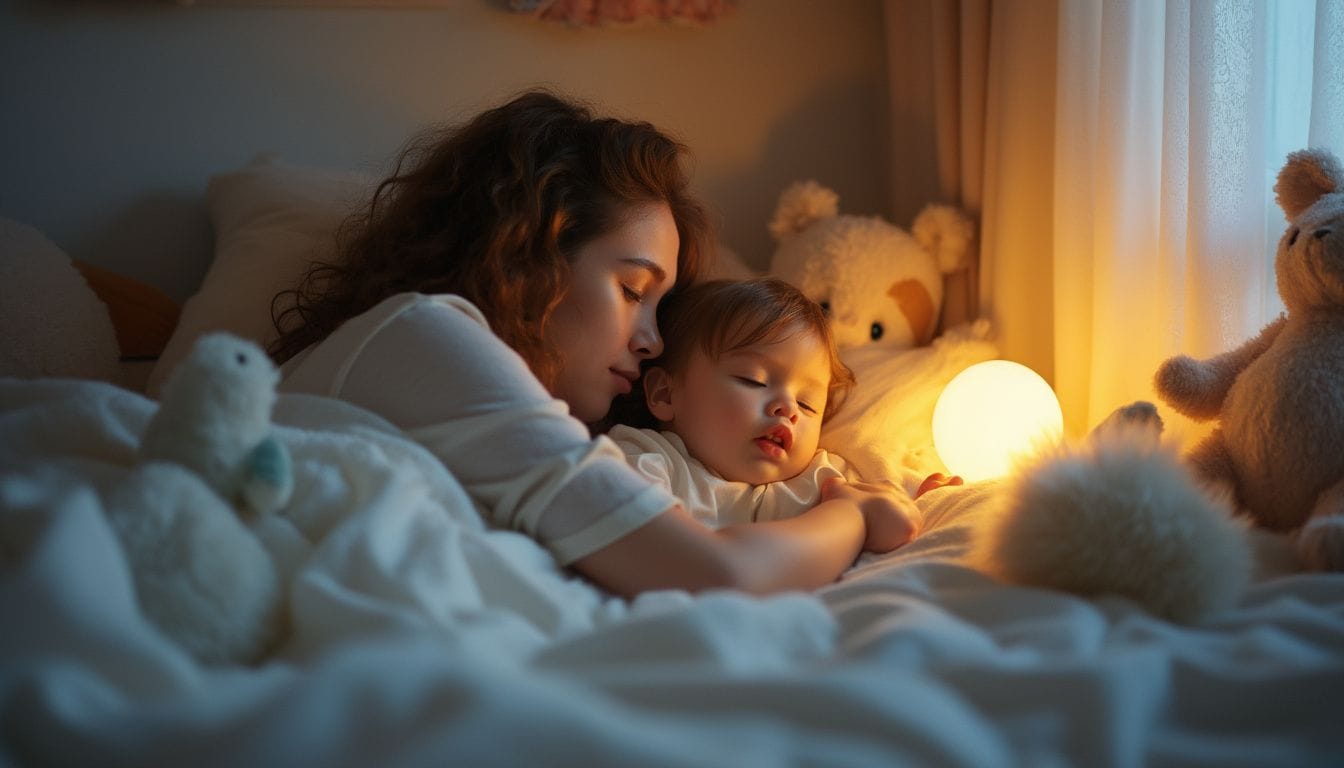
One of the most common concerns parents bring to me is their child’s difficulty falling asleep. This is either the primary concern for seeking support with a children psychologist or therapist, or it’s something that is co-occurring with other mental health concerns. Either way- its quite common! Bedtime can become a nightly battle, leaving both parents and children feeling frustrated and exhausted. The reasons behind a child’s sleep struggles can be complex and varied, but with patience, understanding, and the right strategies, it is possible to help your child develop healthy sleep habits. In my opinion it’s also critical to address- sleep problems are related to many negative long-term emotional and physical outcomes.
Children’s sleep issues can stem from a variety of factors, including their genetic and biological temperament, early mental health concerns, oppositional behavior, inattention, hyperactivity, and even family income and education levels. Parenting styles, the use of electronics before bedtime, inconsistent bedtime routines, sleep associations, and cultural differences in sleep-supporting techniques can also play a significant role in a child’s ability to fall asleep.

When children experience anxiety, worries, or difficulties with self-soothing, falling asleep can become a daunting task. Separation anxiety, in particular, can make bedtime especially challenging, as children may feel anxious about being away from their parents or caregivers.
Understanding how much sleep your child needs is the first step in establishing healthy sleep habits. According to the latest American Academy of Pediatrics (AAP) and CDC guidelines (2023-2024), sleep requirements vary significantly by age:
Infants need 12-16 hours of sleep per 24 hours, including naps. At this age, sleep patterns are still developing, and multiple nighttime wakings are normal. Establishing consistent sleep cues and a calming bedtime routine can help infants begin to differentiate day from night.
Toddlers require 11-14 hours of sleep per 24 hours, including naps. Recommended bedtime is typically between 7:00-8:00 PM, with wake times around 6:30-7:30 AM. This age group often experiences sleep resistance as they assert independence.
Preschoolers need 10-13 hours of sleep per 24 hours. Many children in this age group transition away from naps. Ideal bedtime ranges from 7:00-8:30 PM, with wake times between 6:30-7:30 AM. Consistent routines become increasingly important.
School-age children should get 9-12 hours of sleep per night. Recommended bedtimes range from 7:30-9:00 PM depending on age and required wake time. As academic and social demands increase, protecting sleep time becomes critical.
Teens need 8-10 hours of sleep per night, though biological changes during puberty naturally shift their circadian rhythm later. Despite this shift, early school start times often result in chronic sleep deprivation. Bedtimes of 9:00-10:30 PM are recommended when wake times are 6:00-7:00 AM.
Good sleep is critical for humans. When children don’t get enough sleep, it can have far-reaching effects on their brain structure and function. Insufficient sleep has been linked to mental health and behavioral challenges, such as impulsivity, stress, depression, anxiety, aggressive behavior, and impaired cognitive functions. These challenges can spill over into other areas of a child’s life, affecting their performance at school, their relationships with peers and family members, and their overall well-being.
The relationship between sleep and mental health in children and teens is bidirectional—poor sleep can contribute to mental health problems, and mental health challenges can disrupt sleep. Research consistently shows that insufficient or poor-quality sleep increases the risk of depression, anxiety, attention problems, and emotional dysregulation. For teens especially, chronic sleep deprivation is associated with increased risk of suicidal ideation and self-harm behaviors. Prioritizing sleep is not just about physical health; it’s a fundamental component of emotional well-being and psychological resilience.
Sleep hygiene refers to the practices and environmental factors that promote consistent, quality sleep. Creating an optimal sleep environment involves attention to multiple factors:
Current research (2023-2024) has reinforced and expanded our understanding of how screen time disrupts sleep in children and adolescents. Blue light emitted from screens suppresses melatonin production, the hormone that signals the body it’s time to sleep. However, the impact goes beyond blue light—the content children consume can be emotionally or mentally stimulating, making it difficult for the brain to wind down.
Recent studies show that each additional hour of screen time is associated with decreased sleep duration and increased sleep onset latency (time to fall asleep). Teens who keep phones in their bedrooms report significantly more sleep disruption than those who don’t.
Establishing a predictable and consistent bedtime routine can be a powerful tool in helping children fall asleep more easily. A bedtime routine might include activities such as taking a bath, brushing teeth, reading a story, or engaging in quiet, calming activities. Reducing parental presence before sleep can also help children learn to fall asleep independently. Importantly, establishing these routines need to be parent driven. Children who have difficulty with sleep are often no willing participants in changing sleep rituals and routines. Parents need to be thoughtful about the long game, and stick to their plan for establishing good sleep habits.

Many children experience anxiety at bedtime, which can manifest as fear of the dark, worry about separation from parents, concerns about nightmares, or general worries about school or social situations. These fears are developmentally normal but require sensitive handling.
Parents often confuse nightmares and night terrors, but they are distinct phenomena requiring different responses.
Nightmares are frightening dreams that occur during REM sleep, typically in the second half of the night. Children wake up scared and can usually remember the dream. They are aware of their surroundings and seek comfort from parents.
How to respond: Provide comfort and reassurance. Stay with your child until they calm down. Briefly discuss the nightmare if they want to talk, but keep it short. Remind them it was a dream and they are safe. Return to the bedtime routine.
Night terrors occur during deep non-REM sleep, usually 1-3 hours after falling asleep. Children appear awake and terrified—they may scream, thrash, or seem confused—but they are actually still asleep. They don’t recognize parents and have no memory of the episode in the morning. Night terrors are more common in preschool and early school-age children.
How to respond: Do not try to wake your child. Ensure their safety by removing hazards and gently guiding them back to bed if needed. Stay calm and wait for the episode to pass (usually 5-15 minutes). Maintain a consistent sleep schedule, as overtiredness can trigger night terrors. If episodes are frequent and occur at predictable times, scheduled awakening (waking the child 15 minutes before the typical terror time) can sometimes help.
Co-sleeping practices vary widely across cultures and families. While some families choose to co-sleep intentionally, others find themselves in reactive co-sleeping patterns due to sleep difficulties. There is no single “right” approach, but parents should make informed decisions.
The AAP recommends room-sharing without bed-sharing for infants up to at least 6 months (ideally 12 months) to reduce SIDS risk. If families choose to bed-share, safety precautions are essential: firm mattress, no pillows or heavy blankets near baby, no gaps where baby could become trapped, and never co-sleeping when parents are impaired by alcohol, drugs, or extreme exhaustion.
When families decide to transition a child to independent sleep, consistency and gradual change are key:
While many childhood sleep issues resolve with behavioral interventions and consistent routines, some children have underlying sleep disorders that require professional evaluation and treatment.
Depending on the concern, you might consult with a pediatrician, pediatric sleep specialist, child psychologist, or behavioral sleep medicine specialist. A comprehensive evaluation may include sleep diaries, questionnaires, and in some cases, overnight sleep studies.
Like most things in parenting early interventions is ideal. We are ideally, addressing children’s sleep problems early on, before they become entrenched and persist into adolescence and young adulthood if not properly addressed. By intervening early and helping children develop healthy sleep habits, parents can set their children up for long-term success and well-being.
If your child’s sleep problems persist despite your best efforts, it may be helpful to seek the guidance of a child psychologist or sleep specialist. These professionals can provide personalized strategies and support to help your child overcome their sleep challenges and develop healthy sleep habits.
Remember, every child is unique, and what works for one may not work for another. Be patient, stay calm, and have a plan with small, reasonable steps. Praise and encourage your child’s efforts, even when it’s been challenging. With time, consistency, and a supportive approach, you can help your child develop the skills they need for a lifetime of healthy sleep.

For more information on helping children with sleep issues, check out these helpful resources:

You don’t have to keep guessing. With the right tools and support, parenting can feel easier—and your child can thrive.
Book a Free Consultation