

Group Therapy… Why I think it may be right for you
As we recover from the COVID 19 pandemic, many families are struggling. Children are facing challenges at school and at …
Read more
Therapeutic Approaches
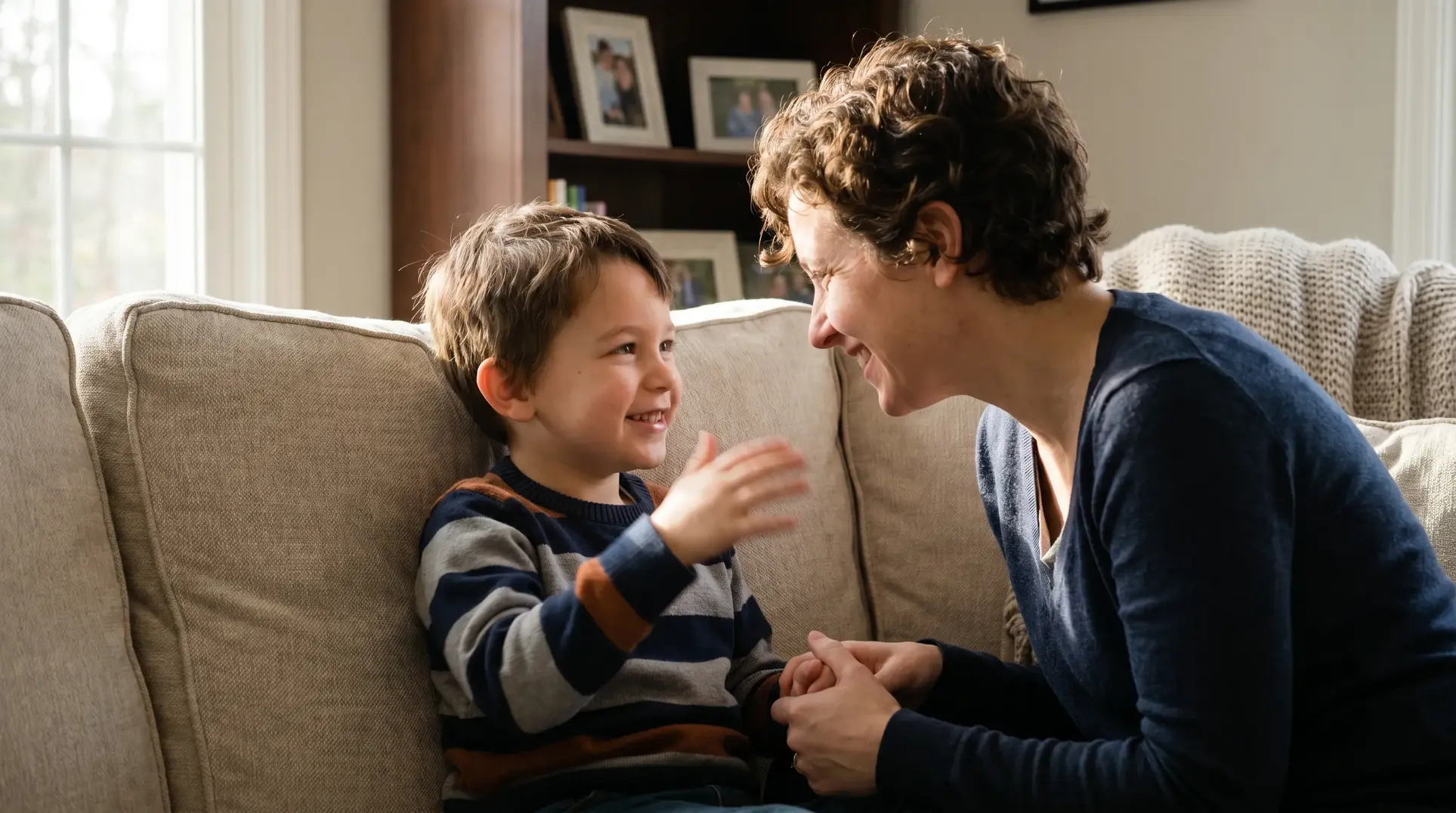
Your pediatrician mentioned SPACE treatment. Your child’s teacher forwarded an article. Another parent in your support group said it changed everything for their family. Now you’re searching: What exactly is SPACE treatment, and could it help your anxious child? If you’ve found yourself here, you’re likely a parent who has watched your child struggle with anxiety—maybe for months, maybe for years—and you’re ready to understand an approach that puts you at the centre of the solution. At our practice, we work with families every day who arrive with this same question, and we’ve seen firsthand how understanding SPACE treatment can transform not just a child’s anxiety, but an entire family’s relationship with fear and discomfort.
SPACE is an acronym for Supportive Parenting for Anxious Childhood Emotions. Each word in this title carries meaning that shapes how the treatment works. The phrase “supportive parenting” signals immediately that this approach centres on what parents do, not what children do in a therapy room. “Anxious childhood emotions” frames the target broadly—this isn’t limited to children with formal diagnoses but addresses the full spectrum of anxiety-driven struggles that affect daily life.

Here’s the distinction that surprises many families at first: while children are the patients, parents are the participants. Your child doesn’t need to attend therapy sessions, complete homework assignments, or even agree that they have an anxiety problem. Instead, you learn a new way of responding to your child’s anxiety that gradually shifts the family patterns maintaining their fears.
This parent-focused approach emerged from a recognition that traditional child therapy, while effective for many, simply isn’t accessible or appropriate for every anxious child. Some children refuse to attend sessions. Others are too young to engage in the cognitive work that typical anxiety treatment requires. Many have tried therapy before without lasting change. SPACE offers these families an evidence-based alternative that harnesses something powerful: the influence you already have in your child’s daily life.
SPACE treatment was developed by Dr. Eli Lebowitz at the Yale Child Study Center, one of the world’s leading institutions for child mental health research. The treatment didn’t emerge from theory alone—it was built through rigorous clinical trials designed to test whether working exclusively with parents could genuinely reduce children’s anxiety.
The findings have been striking. Randomized controlled trials have demonstrated that SPACE is as effective as direct child cognitive-behavioural therapy (CBT) for treating childhood anxiety disorders. This means that children whose parents received SPACE treatment improved to the same degree as children who attended their own therapy sessions focused on cognitive restructuring and exposure exercises.
What’s particularly compelling is that SPACE achieved additional benefits that child-focused therapy didn’t match:
For families where child therapy hasn’t worked, where children refuse to participate, or where access to specialized child anxiety therapists is limited, this research offers genuine hope. You don’t have to convince your child to engage with treatment. You don’t have to wait for them to be “ready.” You can start making changes that matter right now.
To understand why SPACE works, you need to understand accommodation—the central concept that drives the entire treatment. Accommodation refers to all the ways you modify your own behaviour to help your child avoid anxiety triggers or reduce their distress in the moment.
Every parent of an anxious child knows these patterns intimately, even if you’ve never heard the term before. Accommodation looks like:
Here’s what makes accommodation so tricky: it works in the short term. When you reassure your child, their anxiety drops. When you let them avoid the feared situation, the panic subsides. When you stay until they fall asleep, everyone gets some immediate relief.
But accommodation carries a hidden cost. Every time you help your child escape anxiety, you inadvertently communicate two messages:
Over time, accommodation prevents the natural learning that would otherwise occur. Your child never discovers that they can survive the bus ride, fall asleep alone, or manage a social situation without you. The anxiety stays stuck because the opportunities to learn otherwise never happen.
Research consistently shows that higher levels of accommodation are associated with more severe anxiety symptoms, greater functional impairment, and poorer response to treatment. This isn’t about blame—accommodation comes from love and the desperate wish to spare your child pain. But understanding this mechanism explains why your well-intentioned efforts haven’t solved the problem and points toward what actually will.
Reducing accommodation alone isn’t enough. If you simply stopped helping your child tomorrow, they would likely experience your withdrawal as abandonment or punishment. SPACE addresses this through a specific style of responding called supportive parenting, which combines two essential elements: acceptance and confidence.
Acceptance means clearly communicating that you understand your child’s anxiety is real, painful, and valid—even when the feared situation is objectively safe. This isn’t agreeing that the danger is real. It’s acknowledging that their emotional experience is real.
Acceptance sounds like:
Confidence involves expressing your genuine belief that your child can handle the situation—that anxiety, while uncomfortable, is tolerable and temporary.
Confidence sounds like:

In SPACE, parents learn to combine both elements into supportive statements that form the backbone of their new response pattern. A typical supportive statement might sound like:
“I know you feel anxious about the bus ride to school, and I know you can get through it even though you don’t like it.”
This single sentence accomplishes something powerful: it validates your child’s fear without feeding it, and it expresses confidence without dismissing their distress. Parents practice these statements until they become natural responses, replacing the automatic reassurance or rescue that previously dominated.
What supportive statements are not:
SPACE treatment typically spans approximately 12 sessions, though the exact number adjusts based on your family’s needs. Here’s what the treatment journey actually looks like:
The first sessions focus on building understanding. You’ll learn the principles of SPACE—why accommodation maintains anxiety, how supportive responding works, and what change looks like. Your therapist will help you map your current accommodation patterns in detail.
This mapping often reveals more than parents initially expect. Accommodations hide in small moments: the way you phrase questions, the routines you’ve adjusted without thinking, the activities your family no longer does. Bringing these patterns into awareness is the essential first step.
In these middle sessions, you’ll practice supportive statements through role-play and rehearsal. Your therapist will help you anticipate likely anxiety scenarios and prepare responses that combine acceptance and confidence.
You’ll then select specific accommodations to reduce—not all at once, but one meaningful target at a time. The goal is choosing something that matters without overwhelming your family. For example:
You’ll develop a concrete plan: what will change, when and how the change happens, and how you’ll communicate it to your child.
This is where the real work happens. You implement your plan at home, and sessions focus on reviewing progress, addressing obstacles, and refining your approach. Many parents find this phase challenging—children often protest accommodation changes initially, showing increased distress, anger, or bargaining.
Your therapist helps you prepare for and navigate these reactions. You’ll learn:
As you succeed with one accommodation, you’ll move to additional targets, gradually reshaping your family’s response to anxiety.
Final sessions help you solidify gains, anticipate future stressors, and plan for setbacks. The goal is leaving you with a durable framework: when anxiety shows up, you know to respond with acceptance and confidence, avoid accommodation, and support your child in facing rather than fleeing.
SPACE treats a range of anxiety-related conditions, including:
Our practice offers specialized support for families navigating childhood OCD, where accommodation often becomes particularly entrenched as parents participate in rituals or facilitate avoidance.
SPACE may be the right choice when:
SPACE works across a range of family structures. Single parents can implement the approach effectively. In two-parent families, having both caregivers involved is beneficial but not required—many families make progress even when only one parent participates actively in sessions.
When families ask “Does this actually work?”, the evidence provides a clear answer. In randomized trials, a substantial majority of children whose parents completed SPACE showed significant reductions in anxiety symptoms—comparable to children receiving direct CBT.
What “success” looks like in SPACE:
It’s important to hold realistic expectations. SPACE doesn’t promise an anxiety-free child—anxiety is a normal human emotion. The goal is helping your child function well despite anxiety, building their tolerance for discomfort and their confidence in their own capabilities.
Not all therapists who mention SPACE have equivalent training. Here’s what to look for:
Properly trained SPACE therapists have typically:
The official SPACE treatment website provides resources for finding trained providers and understanding the certification pathway.
At our practice, our SPACE Treatment program is delivered by clinicians with specialized training in this approach. Our parent coaching services integrate SPACE principles alongside other evidence-based strategies tailored to your family’s specific needs.
When parents first learn about SPACE, several concerns typically emerge. These worries make sense—you’re being asked to change patterns that have become deeply ingrained ways of protecting your child.
This fear is natural and understandable. SPACE addresses it directly through the supportive statement framework. You’re not withdrawing emotionally—you’re staying connected while changing specific behaviours. The acceptance component of supportive statements ensures your child knows you see their struggle and care deeply. The confidence component ensures they know you believe in them.
Short-term increases in distress are normal and expected when accommodation first decreases. This is similar to how any behaviour maintained by escape or avoidance temporarily increases when that escape is removed. SPACE prepares you for this and provides tools to manage it. The evidence shows that children’s anxiety decreases over time as they have more opportunities to face fears and discover their own capability.
SPACE includes specific guidance on communicating changes to your child. Many parents write a letter explaining that they’re making changes because they love their child and believe in their strength. This communication is planned in treatment sessions before implementation.
Absolutely not. SPACE takes a gradual, stepwise approach. You select one target accommodation to reduce, implement that change, consolidate gains, then move to additional accommodations. This pacing makes the process manageable for both parents and children.
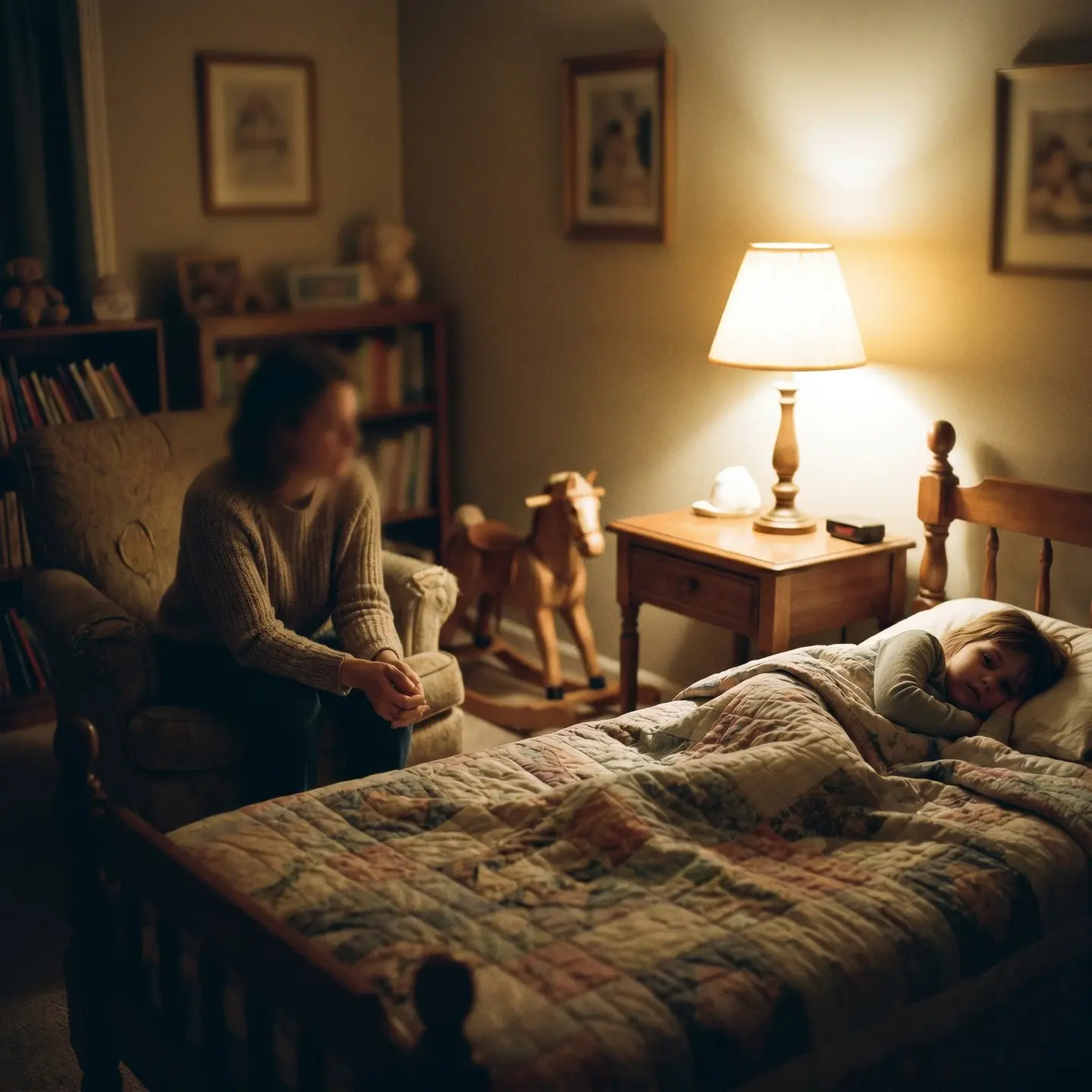
Understanding SPACE treatment parent coaching is the first step toward meaningful change for your family. If your child’s anxiety has been running your household, if you’ve tried everything you can think of, if you’re exhausted from the daily battles and worried about your child’s future—SPACE offers a path forward that puts the power of change in your hands.
For parents wanting to deepen their understanding of what drives their child’s behaviour, our resources on understanding your child’s emotional development provide additional context for the journey ahead.
The research is clear. Parent-based treatment works. And for many families, it works precisely because it doesn’t require a child who is ready, willing, or even aware that treatment is happening. It requires only a parent who is ready to try something different—to respond to anxiety with acceptance and confidence rather than rescue and reassurance. That parent can be you.
Traditional CBT works directly with the child, teaching them skills and doing exposures in session. SPACE is entirely parent-focused: you learn to reduce accommodation and respond with acceptance and confidence at home. Research from Yale shows SPACE is about as effective as child CBT for anxiety.
Yes. In SPACE, children don’t need to attend, participate, or even agree there’s a problem. The treatment works by changing how you respond to their anxiety at home, especially by reducing accommodations, so progress can happen even when a child won’t go to therapy.
No, because you are not pulling away emotionally—you’re changing specific behaviours while staying very connected. Using supportive statements that combine acceptance and confidence helps your child feel understood and supported, even as you stop rescuing them from anxiety.
SPACE is especially helpful if your child has anxiety, OCD, or related issues and either refuses therapy, is very young, hasn’t improved with previous treatments, or your family’s life feels heavily shaped by accommodating their anxiety. If you recognize yourself in these patterns, SPACE is likely a strong match.
SPACE is a parent-based anxiety treatment where you attend the sessions, not your child. Across roughly 12 sessions, you learn how your own responses and accommodations can keep anxiety stuck, and you practice new, structured ways of responding that reduce these patterns over time.

You don’t have to keep guessing. With the right tools and support, parenting can feel easier—and your child can thrive.
Book a Free Consultation
