Serving all Ontario residents | In-person and virtual appointments available

Call us today

(647) 360-3294

Skip to content
Back to Blog

General Parenting

Family Rituals: Fostering Connection and Stability in Children’s Lives


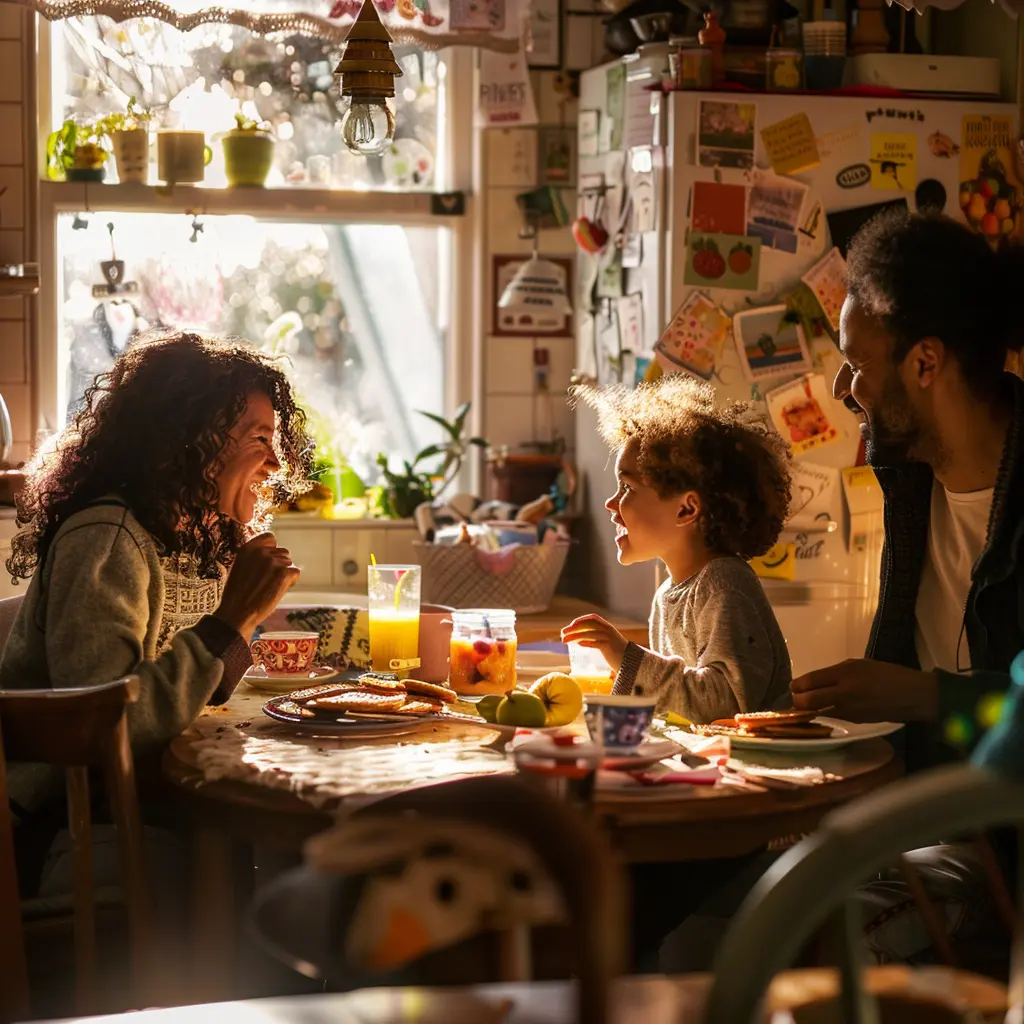
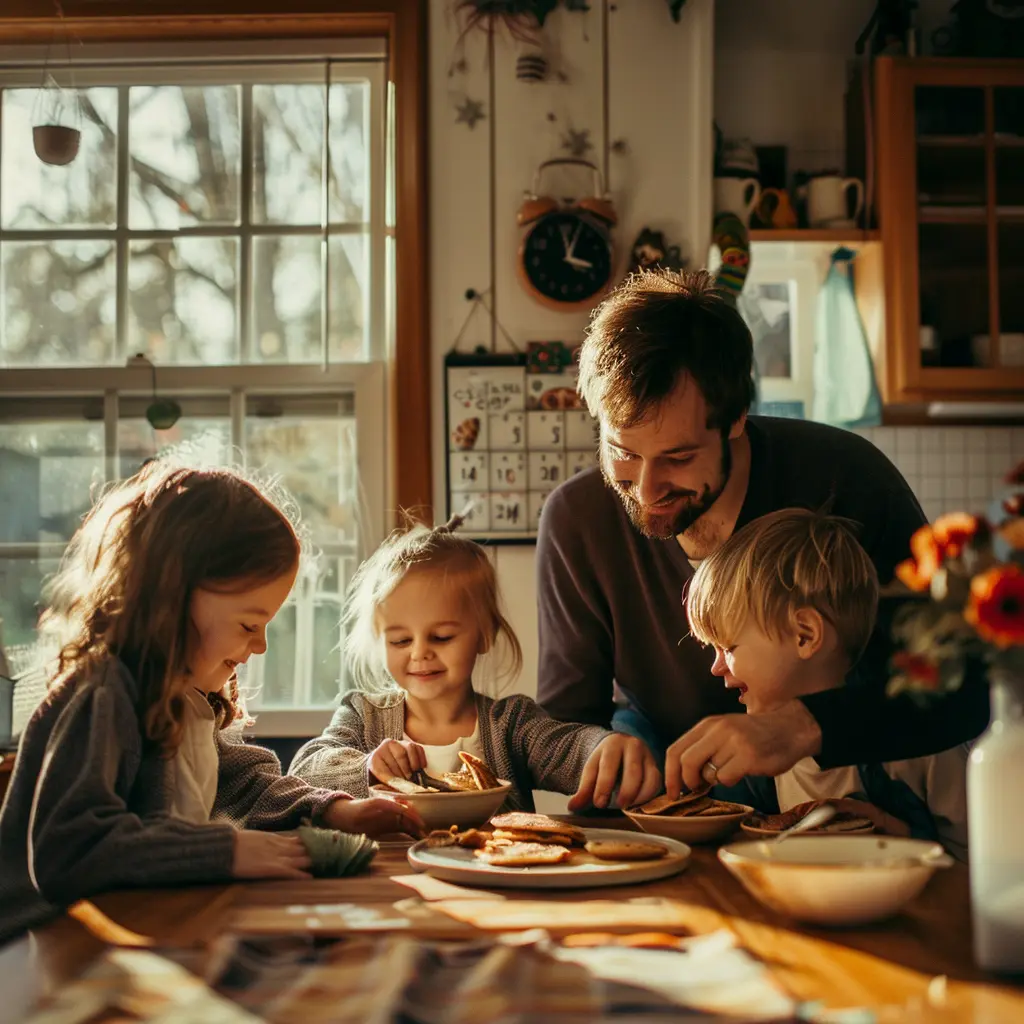
When I look back on our childhood, our memories often revolve around the rituals that happened within my family and extended family. From the comforting aroma of pancakes wafting through the house every Sunday morning to the shared memories created at dim sum gatherings with extended family to celebrate birthdays, these rituals provided me with recurring moments of connection and belonging. As a psychologist and parent, I have come to deeply appreciate the power of rituals in fostering a sense of safety, stability, and emotional well-being in our children.

Rituals, by their very nature, are practices that we engage in at certain times, with certain people, and in certain places, with a degree of regularity. The great thing about rituals is they can serve as anchors. In times or stress, joy, and sadness- the regularity of predictability of rituals provide the structure for children (and us too!) to maintain connections and support to each other. These anchors are needed now more that ever. The world can feel chaotic and uncertain for all of us at times- family rituals provide a predictable, warm, and loving reprieve. This has become especially evident in the post-pandemic era, where many families have discovered that intentional rituals help rebuild connection after periods of isolation and disruption.
Family rituals anchor child stability

The Research: How Family Rituals Support Child Development

A child’s place and role in the family system shapes how they develop a sense of safety and belonging. When children know what to expect, when to expect it, and with whom, they can develop a sense of trust and stability that serves as a foundation for healthy emotional development. Rituals can often tether children to the family unit- where bonds are strengthened between parents, children, siblings and extended family. Have you ever noticed that sometimes when you have fun family times, or a shared enjoyable experience, you child will say with excitement “can we do that again?!” As I talk about in many other posts, children are wired to connect to caregiver- they are actively seeking this connection. For millennia, rituals have served as a catalyst for this connection on family and community levels.

Recent research continues to validate what families have intuitively known for generations. A 2022 study published in the Journal of Family Psychology found that families who maintained consistent rituals showed significantly higher levels of secure attachment and emotional regulation in children, even during stressful life transitions. Children who participate in regular family rituals demonstrate stronger emotional security, with researchers noting improved ability to manage anxiety and navigate challenging emotions.

Family rituals also play a crucial role in identity formation. According to a 2023 study in Child Development, children who engage in regular family rituals show stronger sense of family identity and belonging, which correlates with higher self-esteem and better social competence. These rituals help children understand “who we are as a family” and “where I belong,” providing a narrative thread that connects past, present, and future.
Family rituals anchor child stability

Rituals also provide other important benefits. The offer opportunities for children to practice effective communication, empathy, and cooperation. Whether it’s taking turns setting the table for a family meal or engaging in a bedtime story ritual, these shared experiences help children learn the importance of considering others’ needs and working together towards a common goal. It doesn’t always go this smoothly- but, like much pf parenting, this is the long game!

Daily Rituals Across Developmental Stages

Infants and Toddlers (0-3 years)

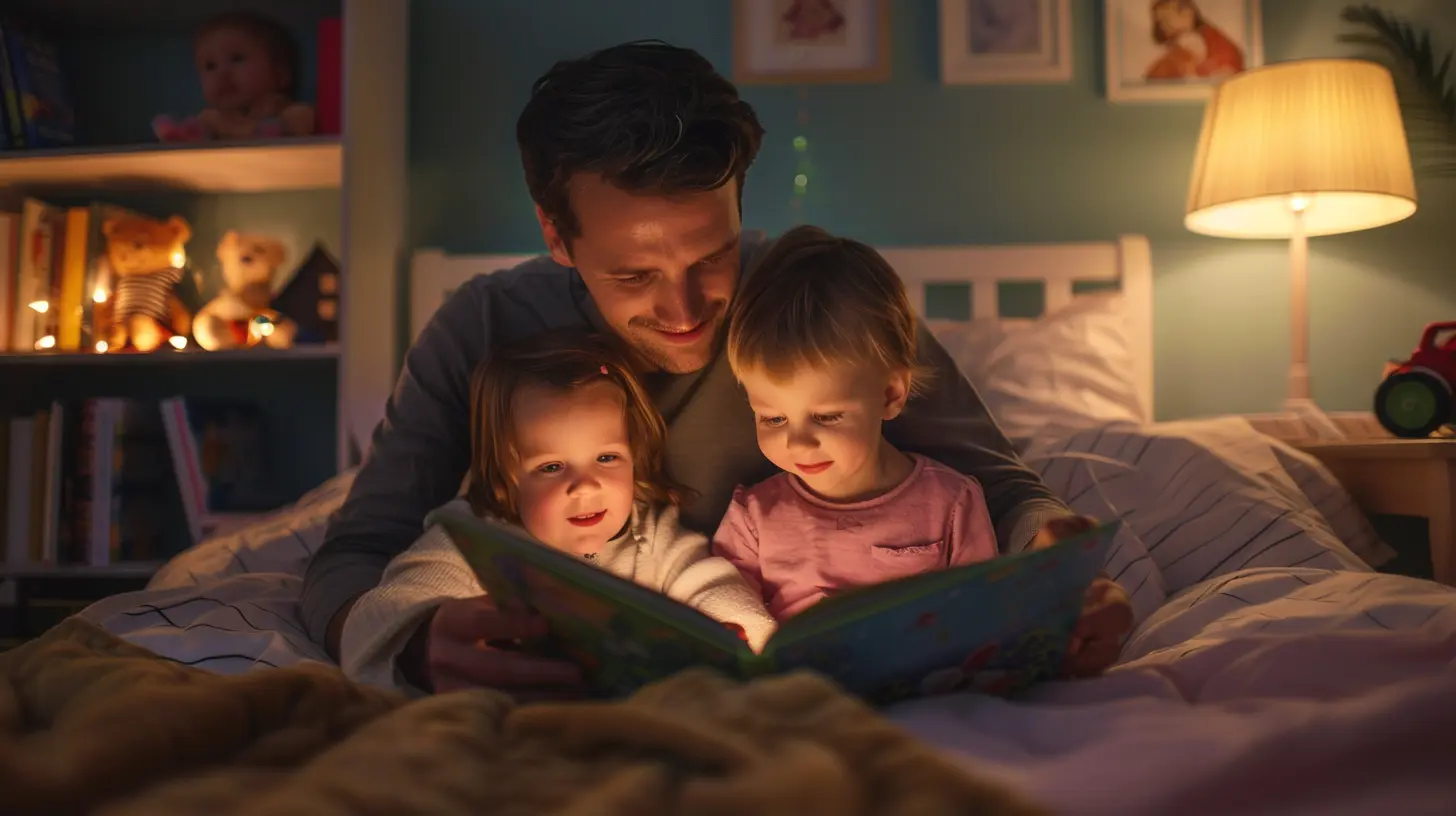
For our youngest family members, rituals provide the foundation of security and predictability. Simple, sensory-rich rituals work best: a special song during diaper changes, the same sequence of bath-book-bed each evening, or a morning cuddle in the rocking chair. These repetitive experiences help infants and toddlers develop trust in their caregivers and their environment. Even at this young age, children begin to anticipate what comes next, which reduces anxiety and supports emotional regulation.

Preschoolers (3-5 years)

Preschoolers thrive on routine and can actively participate in family rituals. This is a wonderful age to establish rituals around mealtimes, such as everyone sharing one thing from their day. Morning rituals might include choosing clothes together or a special goodbye routine before drop-off. Bedtime rituals can expand to include storytelling, where children begin to contribute their own narrative ideas. At this stage, rituals help children develop language skills, emotional vocabulary, and a sense of agency within the family structure.

School-Age Children (6-12 years)

As children enter school, rituals can help them navigate increasing academic and social demands. Morning rituals that include a nutritious breakfast and a few minutes of connection before the rush can set a positive tone for the day. After-school rituals—whether it’s a snack and chat time or a walk around the block—provide opportunities for children to decompress and share their experiences. Weekend rituals might include family game nights, cooking together, or outdoor adventures that create lasting memories and strengthen family bonds.

Teenagers (13+ years)

Adolescence brings a natural pull toward independence, but rituals remain important—they just need to evolve. Teen-friendly rituals respect growing autonomy while maintaining connection. This might look like a weekly breakfast out with just one parent, a monthly family movie night where teens get to choose, or a simple nightly check-in that doesn’t feel intrusive. The key is flexibility and respect for their need for independence while keeping the door open for connection. Many families find that rituals around special occasions or holidays become even more meaningful during the teen years, providing touchstones of family identity as adolescents explore their individual identities.

Morning Rituals That Reduce Stress and Build Connection

Mornings can be chaotic, but intentional morning rituals can transform this potentially stressful time into an opportunity for connection. The key is starting small and being realistic about what your family can manage. A five-minute morning ritual is better than an ambitious thirty-minute plan that never happens.

Consider these simple morning connection moments: a special breakfast food on certain days of the week, a morning hug or high-five before everyone scatters, playing a favorite song while getting ready, or taking sixty seconds for each family member to share one intention for the day. For younger children, a visual morning routine chart can provide structure while building independence. For older children and teens, respecting their morning temperament while maintaining one small touchpoint—even just a “have a great day” with eye contact—keeps the connection alive.

Mealtime Rituals: Making Family Dinners Work

Family meals are one of the most researched rituals, with decades of studies showing benefits for children’s academic performance, emotional health, and reduced risk behaviors in adolescence. But the reality of coordinating schedules, picky eaters, and exhaustion can make family dinners feel more stressful than connecting.

The good news: it doesn’t have to be dinner, and it doesn’t have to be every day. What matters is regular, distraction-free time eating together. For some families, breakfast works better. For others, Sunday brunch becomes the anchor meal. The ritual isn’t about perfect nutrition or elaborate cooking—it’s about presence and connection.

Simple mealtime rituals that enhance connection include: starting the meal with each person sharing a high and low from their day, having a “no devices” rule (including parents!), letting children help with age-appropriate meal preparation, or ending the meal with a family gratitude practice. For families with very young children, keeping expectations realistic—even ten minutes of sitting together—builds the foundation for longer meals as children grow.

Bedtime Rituals Across Developmental Stages

Bedtime rituals are perhaps the most universal family ritual, and for good reason. A consistent bedtime routine helps children wind down, signals to their body that sleep is coming, and provides a final opportunity for connection before separation overnight.

For infants and toddlers, bedtime rituals might include bath, pajamas, feeding, song, and bed—the same sequence every night. Preschoolers benefit from slightly longer routines that might include bath, teeth brushing, two books, a song, and a few minutes of back rubbing or quiet conversation. School-age children often enjoy more elaborate bedtime stories or chapter books read over many nights, creating anticipation and shared narrative experience.

Teenagers still benefit from bedtime rituals, though they look quite different. A nightly check-in—even just poking a head in to say goodnight—maintains connection. Some families find that teens are more open to conversation during these quieter evening moments. The key is respecting their growing need for privacy while maintaining a ritual of care and presence.

Weekend and Special Occasion Rituals

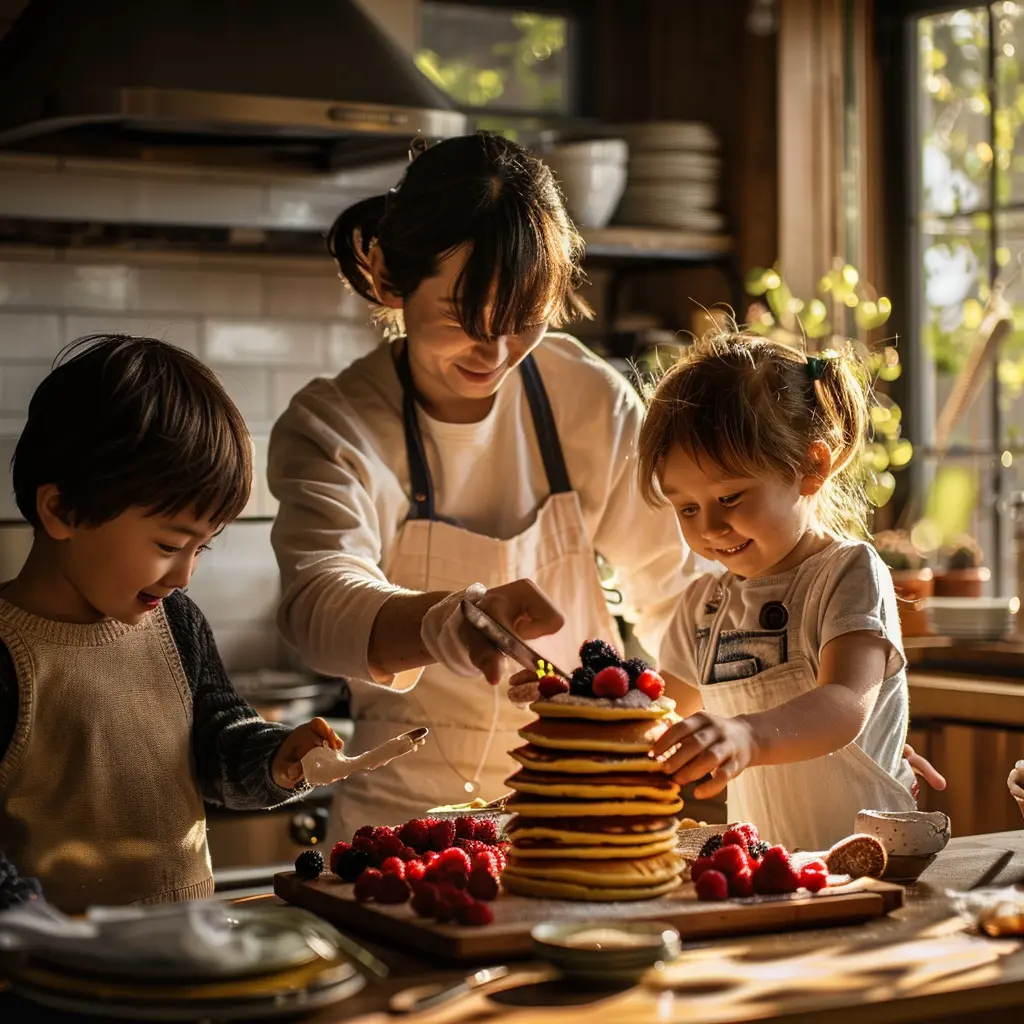
While daily rituals provide stability, weekend and special occasion rituals create anticipation and mark time in meaningful ways. Weekend rituals might include Saturday morning pancakes, a Friday night pizza and movie tradition, or Sunday afternoon family walks. These rituals give children something to look forward to and create a rhythm that distinguishes weekends from weekdays.

Special occasion rituals—birthdays, holidays, first and last days of school—become the memories children carry into adulthood. These don’t need to be elaborate or expensive. What matters is consistency and meaning. Perhaps each birthday person gets to choose the dinner menu and cake flavor. Maybe the first day of school includes a special breakfast and photo on the front steps. Holiday rituals might blend cultural traditions with family-specific practices that reflect your values and create a sense of belonging.

Cultural and Religious Rituals: Honoring Heritage

Cultural and religious rituals connect children to something larger than their immediate family—to heritage, community, and shared values across generations. These rituals help children understand their place in a broader story and provide a sense of identity that extends beyond the individual.

For families with strong cultural or religious traditions, incorporating these rituals into family life helps children develop pride in their heritage and understanding of their roots. This might include celebrating cultural holidays, preparing traditional foods, attending religious services, or practicing rituals passed down through generations. For multicultural families, blending traditions from different backgrounds can create a rich tapestry of rituals that honor all aspects of a child’s heritage.

Even for families without strong religious or cultural ties, creating rituals around values—service to others, connection to nature, gratitude—provides children with a moral and ethical framework that shapes their developing identity.

Creating New Rituals After Family Transitions

Life brings transitions—divorce, moves, loss of loved ones, blended families—that can disrupt established rituals and leave children feeling unmoored. During these times, intentionally creating new rituals while honoring what was lost becomes especially important.

After divorce, children benefit from new rituals in each household that provide stability and connection. This might mean creating a special welcome-home ritual when children transition between homes, or establishing new traditions that belong uniquely to time with each parent. The key is not trying to replicate what was, but creating something new that acknowledges the changed family structure while maintaining connection.

After a move, establishing new rituals helps children adjust to their new environment. This might include exploring a new neighborhood together each weekend, finding a new favorite restaurant, or creating a ritual around staying connected to friends and family from your previous home.

After loss, rituals can provide comfort and a way to maintain connection to the person who died. This might include lighting a candle on special occasions, sharing favorite stories, or continuing a tradition the loved one started. These rituals help children process grief while maintaining bonds.

Simple Rituals for Busy Families: 5-10 Minute Connection Moments

One of the biggest barriers to family rituals is the perception that they require significant time. The truth is, some of the most powerful rituals take just five to ten minutes. What matters isn’t duration—it’s consistency and presence.

Consider these brief but meaningful rituals: a two-minute morning hug and check-in before everyone leaves, a five-minute after-school snack and chat, a ten-minute bedtime routine of reading or talking, or a weekend morning ritual of coffee/hot chocolate and conversation before the day’s activities begin. Even a thirty-second goodbye ritual—a special handshake, a hug, and “I love you”—creates a moment of connection that children carry with them.

The key to sustainable rituals for busy families is releasing perfectionism. A ritual doesn’t fail because you miss a day or because it’s shorter than planned. What matters is the intention to connect and the consistency over time. Five minutes of genuine presence beats thirty minutes of distracted time together.

Rituals That Build Emotional Vocabulary and Expression

Family rituals provide natural opportunities to help children develop emotional vocabulary and learn to express feelings in healthy ways. When we build emotional check-ins into our rituals, we normalize talking about feelings and give children practice identifying and articulating their inner experiences.

This might look like a dinnertime ritual where each person shares not just what happened in their day, but how they felt about it. Or a bedtime ritual that includes naming emotions from the day—”I felt frustrated when…” or “I felt proud when…” Some families use feeling charts or emotion cards to help younger children identify and name their feelings.

Car rides can become rituals of emotional connection, with regular conversations about feelings, challenges, and celebrations. The key is creating predictable opportunities where emotional expression is welcomed and modeled by parents. When children see adults naming and discussing their own emotions in healthy ways, they learn that all feelings are acceptable and that talking about emotions is a normal part of life.

Helpful tips for Creating and Maintaining Meaningful Rituals

As parents, we have the opportunity to intentionally craft rituals that align with our family values and nurture our children’s emotional well-being. When creating rituals- simple is better. It’s great if you can choose activities that resonate with your family’s unique dynamics and interests. For some families that’s a weekend family hike, for others its Sunday dinners all together. The key is to find moments of connection that bring joy and meaning to your family life.

1- Structure Time and Space

Carve out the time and space for this. Life is busy, time is limited. If we are not intentional about making this a consistent part of family life- it can easily fall by the wayside. This might mean setting aside a specific time each day/week/month for a shared activity or designating a special place in your home for family gatherings.

2- Find Moments of Connection

Again, keep it simple! You will be more likely to follow through if you can weave this into your busy life. Rituals don’t have to be elaborate or time-consuming to be meaningful. Often, it’s the small, everyday moments of connection that have the greatest impact.

3- Embrace Imperfection and Repetition

As with any new habit, creating and maintaining rituals takes practice and patience. Don’t be discouraged if a ritual doesn’t go as planned or if your children seem resistant at first. Roll with it, knowing that with repetition and consistency, your children will look back on these moments with fondness and good feelings.
Family rituals anchor child stability

Let’s embrace the magic of rituals and watch as they transform our families and communities, one shared moment at a time.

Connect with Us Today

We are here to help. Join our community to learn more about how we can support you and your child. “Schedule a consultation” or visit our website for more information on our groups, treatment and resources.


Dr. Zia Lakdawalla
Dr. Zia Lakdawalla
I am a registered clinical psychologist who specializes in working with children, adolescents, and parents. My goal is to help clients cope with uncomfortable feelings, improve relationships, and increase competency and efficacy in managing the demands of each new stage of development.I am also a strong believer that the environment in which kids are immersed is a critical factor in how they learn to regulate their emotions and build resilience.

Take the first step toward calm, connected parenting

You don’t have to keep guessing. With the right tools and support, parenting can feel easier—and your child can thrive.

Book a Free Consultation

How we Treat

What we Treat

Family Rituals: Fostering Connection and Stability in Children’s Lives

General Parenting

By: Dr. Zia


When I look back on our childhood, our memories often revolve around the rituals that happened within my family and extended family. From the comforting aroma of pancakes wafting through the house every Sunday morning to the shared memories created at dim sum gatherings with extended family to celebrate birthdays, these rituals provided me with recurring moments of connection and belonging. As a psychologist and parent, I have come to deeply appreciate the power of rituals in fostering a sense of safety, stability, and emotional well-being in our children.

Rituals, by their very nature, are practices that we engage in at certain times, with certain people, and in certain places, with a degree of regularity. The great thing about rituals is they can serve as anchors. In times or stress, joy, and sadness- the regularity of predictability of rituals provide the structure for children (and us too!) to maintain connections and support to each other. These anchors are needed now more that ever. The world can feel chaotic and uncertain for all of us at times- family rituals provide a predictable, warm, and loving reprieve. This has become especially evident in the post-pandemic era, where many families have discovered that intentional rituals help rebuild connection after periods of isolation and disruption.

Family rituals anchor child stability

The Research: How Family Rituals Support Child Development

A child’s place and role in the family system shapes how they develop a sense of safety and belonging. When children know what to expect, when to expect it, and with whom, they can develop a sense of trust and stability that serves as a foundation for healthy emotional development. Rituals can often tether children to the family unit- where bonds are strengthened between parents, children, siblings and extended family. Have you ever noticed that sometimes when you have fun family times, or a shared enjoyable experience, you child will say with excitement “can we do that again?!” As I talk about in many other posts, children are wired to connect to caregiver- they are actively seeking this connection. For millennia, rituals have served as a catalyst for this connection on family and community levels.

Recent research continues to validate what families have intuitively known for generations. A 2022 study published in the Journal of Family Psychology found that families who maintained consistent rituals showed significantly higher levels of secure attachment and emotional regulation in children, even during stressful life transitions. Children who participate in regular family rituals demonstrate stronger emotional security, with researchers noting improved ability to manage anxiety and navigate challenging emotions.

Family rituals also play a crucial role in identity formation. According to a 2023 study in Child Development, children who engage in regular family rituals show stronger sense of family identity and belonging, which correlates with higher self-esteem and better social competence. These rituals help children understand “who we are as a family” and “where I belong,” providing a narrative thread that connects past, present, and future.

Family rituals anchor child stability

Rituals also provide other important benefits. The offer opportunities for children to practice effective communication, empathy, and cooperation. Whether it’s taking turns setting the table for a family meal or engaging in a bedtime story ritual, these shared experiences help children learn the importance of considering others’ needs and working together towards a common goal. It doesn’t always go this smoothly- but, like much pf parenting, this is the long game!

Daily Rituals Across Developmental Stages

Infants and Toddlers (0-3 years)

For our youngest family members, rituals provide the foundation of security and predictability. Simple, sensory-rich rituals work best: a special song during diaper changes, the same sequence of bath-book-bed each evening, or a morning cuddle in the rocking chair. These repetitive experiences help infants and toddlers develop trust in their caregivers and their environment. Even at this young age, children begin to anticipate what comes next, which reduces anxiety and supports emotional regulation.

Preschoolers (3-5 years)

Preschoolers thrive on routine and can actively participate in family rituals. This is a wonderful age to establish rituals around mealtimes, such as everyone sharing one thing from their day. Morning rituals might include choosing clothes together or a special goodbye routine before drop-off. Bedtime rituals can expand to include storytelling, where children begin to contribute their own narrative ideas. At this stage, rituals help children develop language skills, emotional vocabulary, and a sense of agency within the family structure.

School-Age Children (6-12 years)

As children enter school, rituals can help them navigate increasing academic and social demands. Morning rituals that include a nutritious breakfast and a few minutes of connection before the rush can set a positive tone for the day. After-school rituals—whether it’s a snack and chat time or a walk around the block—provide opportunities for children to decompress and share their experiences. Weekend rituals might include family game nights, cooking together, or outdoor adventures that create lasting memories and strengthen family bonds.

Teenagers (13+ years)

Adolescence brings a natural pull toward independence, but rituals remain important—they just need to evolve. Teen-friendly rituals respect growing autonomy while maintaining connection. This might look like a weekly breakfast out with just one parent, a monthly family movie night where teens get to choose, or a simple nightly check-in that doesn’t feel intrusive. The key is flexibility and respect for their need for independence while keeping the door open for connection. Many families find that rituals around special occasions or holidays become even more meaningful during the teen years, providing touchstones of family identity as adolescents explore their individual identities.

Morning Rituals That Reduce Stress and Build Connection

Mornings can be chaotic, but intentional morning rituals can transform this potentially stressful time into an opportunity for connection. The key is starting small and being realistic about what your family can manage. A five-minute morning ritual is better than an ambitious thirty-minute plan that never happens.

Consider these simple morning connection moments: a special breakfast food on certain days of the week, a morning hug or high-five before everyone scatters, playing a favorite song while getting ready, or taking sixty seconds for each family member to share one intention for the day. For younger children, a visual morning routine chart can provide structure while building independence. For older children and teens, respecting their morning temperament while maintaining one small touchpoint—even just a “have a great day” with eye contact—keeps the connection alive.

Mealtime Rituals: Making Family Dinners Work

Family meals are one of the most researched rituals, with decades of studies showing benefits for children’s academic performance, emotional health, and reduced risk behaviors in adolescence. But the reality of coordinating schedules, picky eaters, and exhaustion can make family dinners feel more stressful than connecting.

The good news: it doesn’t have to be dinner, and it doesn’t have to be every day. What matters is regular, distraction-free time eating together. For some families, breakfast works better. For others, Sunday brunch becomes the anchor meal. The ritual isn’t about perfect nutrition or elaborate cooking—it’s about presence and connection.

Simple mealtime rituals that enhance connection include: starting the meal with each person sharing a high and low from their day, having a “no devices” rule (including parents!), letting children help with age-appropriate meal preparation, or ending the meal with a family gratitude practice. For families with very young children, keeping expectations realistic—even ten minutes of sitting together—builds the foundation for longer meals as children grow.

Bedtime Rituals Across Developmental Stages

Bedtime rituals are perhaps the most universal family ritual, and for good reason. A consistent bedtime routine helps children wind down, signals to their body that sleep is coming, and provides a final opportunity for connection before separation overnight.

For infants and toddlers, bedtime rituals might include bath, pajamas, feeding, song, and bed—the same sequence every night. Preschoolers benefit from slightly longer routines that might include bath, teeth brushing, two books, a song, and a few minutes of back rubbing or quiet conversation. School-age children often enjoy more elaborate bedtime stories or chapter books read over many nights, creating anticipation and shared narrative experience.

Teenagers still benefit from bedtime rituals, though they look quite different. A nightly check-in—even just poking a head in to say goodnight—maintains connection. Some families find that teens are more open to conversation during these quieter evening moments. The key is respecting their growing need for privacy while maintaining a ritual of care and presence.

Weekend and Special Occasion Rituals

While daily rituals provide stability, weekend and special occasion rituals create anticipation and mark time in meaningful ways. Weekend rituals might include Saturday morning pancakes, a Friday night pizza and movie tradition, or Sunday afternoon family walks. These rituals give children something to look forward to and create a rhythm that distinguishes weekends from weekdays.

Special occasion rituals—birthdays, holidays, first and last days of school—become the memories children carry into adulthood. These don’t need to be elaborate or expensive. What matters is consistency and meaning. Perhaps each birthday person gets to choose the dinner menu and cake flavor. Maybe the first day of school includes a special breakfast and photo on the front steps. Holiday rituals might blend cultural traditions with family-specific practices that reflect your values and create a sense of belonging.

Cultural and Religious Rituals: Honoring Heritage

Cultural and religious rituals connect children to something larger than their immediate family—to heritage, community, and shared values across generations. These rituals help children understand their place in a broader story and provide a sense of identity that extends beyond the individual.

For families with strong cultural or religious traditions, incorporating these rituals into family life helps children develop pride in their heritage and understanding of their roots. This might include celebrating cultural holidays, preparing traditional foods, attending religious services, or practicing rituals passed down through generations. For multicultural families, blending traditions from different backgrounds can create a rich tapestry of rituals that honor all aspects of a child’s heritage.

Even for families without strong religious or cultural ties, creating rituals around values—service to others, connection to nature, gratitude—provides children with a moral and ethical framework that shapes their developing identity.

Creating New Rituals After Family Transitions

Life brings transitions—divorce, moves, loss of loved ones, blended families—that can disrupt established rituals and leave children feeling unmoored. During these times, intentionally creating new rituals while honoring what was lost becomes especially important.

After divorce, children benefit from new rituals in each household that provide stability and connection. This might mean creating a special welcome-home ritual when children transition between homes, or establishing new traditions that belong uniquely to time with each parent. The key is not trying to replicate what was, but creating something new that acknowledges the changed family structure while maintaining connection.

After a move, establishing new rituals helps children adjust to their new environment. This might include exploring a new neighborhood together each weekend, finding a new favorite restaurant, or creating a ritual around staying connected to friends and family from your previous home.

After loss, rituals can provide comfort and a way to maintain connection to the person who died. This might include lighting a candle on special occasions, sharing favorite stories, or continuing a tradition the loved one started. These rituals help children process grief while maintaining bonds.

Simple Rituals for Busy Families: 5-10 Minute Connection Moments

One of the biggest barriers to family rituals is the perception that they require significant time. The truth is, some of the most powerful rituals take just five to ten minutes. What matters isn’t duration—it’s consistency and presence.

Consider these brief but meaningful rituals: a two-minute morning hug and check-in before everyone leaves, a five-minute after-school snack and chat, a ten-minute bedtime routine of reading or talking, or a weekend morning ritual of coffee/hot chocolate and conversation before the day’s activities begin. Even a thirty-second goodbye ritual—a special handshake, a hug, and “I love you”—creates a moment of connection that children carry with them.

The key to sustainable rituals for busy families is releasing perfectionism. A ritual doesn’t fail because you miss a day or because it’s shorter than planned. What matters is the intention to connect and the consistency over time. Five minutes of genuine presence beats thirty minutes of distracted time together.

Rituals That Build Emotional Vocabulary and Expression

Family rituals provide natural opportunities to help children develop emotional vocabulary and learn to express feelings in healthy ways. When we build emotional check-ins into our rituals, we normalize talking about feelings and give children practice identifying and articulating their inner experiences.

This might look like a dinnertime ritual where each person shares not just what happened in their day, but how they felt about it. Or a bedtime ritual that includes naming emotions from the day—”I felt frustrated when…” or “I felt proud when…” Some families use feeling charts or emotion cards to help younger children identify and name their feelings.

Car rides can become rituals of emotional connection, with regular conversations about feelings, challenges, and celebrations. The key is creating predictable opportunities where emotional expression is welcomed and modeled by parents. When children see adults naming and discussing their own emotions in healthy ways, they learn that all feelings are acceptable and that talking about emotions is a normal part of life.

Helpful tips for Creating and Maintaining Meaningful Rituals

As parents, we have the opportunity to intentionally craft rituals that align with our family values and nurture our children’s emotional well-being. When creating rituals- simple is better. It’s great if you can choose activities that resonate with your family’s unique dynamics and interests. For some families that’s a weekend family hike, for others its Sunday dinners all together. The key is to find moments of connection that bring joy and meaning to your family life.

1- Structure Time and Space

Carve out the time and space for this. Life is busy, time is limited. If we are not intentional about making this a consistent part of family life- it can easily fall by the wayside. This might mean setting aside a specific time each day/week/month for a shared activity or designating a special place in your home for family gatherings.

2- Find Moments of Connection

Again, keep it simple! You will be more likely to follow through if you can weave this into your busy life. Rituals don’t have to be elaborate or time-consuming to be meaningful. Often, it’s the small, everyday moments of connection that have the greatest impact.

3- Embrace Imperfection and Repetition

As with any new habit, creating and maintaining rituals takes practice and patience. Don’t be discouraged if a ritual doesn’t go as planned or if your children seem resistant at first. Roll with it, knowing that with repetition and consistency, your children will look back on these moments with fondness and good feelings.

Family rituals anchor child stability

Let’s embrace the magic of rituals and watch as they transform our families and communities, one shared moment at a time.

Connect with Us Today

We are here to help. Join our community to learn more about how we can support you and your child. “Schedule a consultation” or visit our website for more information on our groups, treatment and resources.

The Most Magical Tool in my Parent Toolkit

Raising children is one of the most challenging jobs, and despite that, many people feel utterly underprepared. I want …

Read more

Why won’t my child listen? Reframing an age-old problem.

Why won’t my child listen? Why is he being so defiant? Why do I have to ask so many times for her to do what I need h…

Read more

The Art of Raising Emotionally Resilient Children: An Essential Guide for Parents

Raising emotionally resilient children is an art that every parent can master. This essential guide provides practical s…

Read more