Serving all Ontario residents | In-person and virtual appointments available

Call us today

(647) 360-3294

Skip to content
Back to Blog

General Parenting

Parent Coaching: A Complete Guide to Therapeutic Support for Families

Two people sit on a bench in a lush garden surrounded by greenery and flowers. They face each other with their foreheads touching, sharing a moment of closeness. The sunset lighting casts a warm glow over the serene scene.

Raising children brings moments of profound joy and connection, but it also brings challenges that can leave even the most dedicated parents feeling uncertain, exhausted, and wondering if they’re doing something wrong. When daily battles over homework, emotional meltdowns that seem to come from nowhere, or a child’s persistent anxiety begin to wear on the entire family, it’s natural to search for answers. You’ve likely read the books, tried the strategies from social media, and asked friends for advice—yet nothing seems to work consistently for your unique child in your particular family. This is precisely where parent coaching enters the picture, not as another set of generic tips, but as a specialized therapeutic intervention designed to help you understand the “why” behind your child’s challenging behaviours and equip you with evidence-based strategies tailored to your family’s specific needs.

What Parent Coaching Actually Involves: Beyond Parenting Tips

Parent coaching is fundamentally different from scrolling through parenting blogs or attending a one-size-fits-all workshop. At its core, it’s a collaborative therapeutic relationship between you and a trained clinician who specializes in child development and family dynamics. Rather than offering surface-level advice, parent coaching begins with a thorough assessment of your unique situation—your child’s temperament, developmental stage, the specific challenges you’re facing, what you’ve already tried, and the broader family context that shapes daily interactions.

Parent holding child's hand outdoors

When we work with parents through Parent Coaching (Hub), we’re not simply handing over a checklist of things to do differently. We’re helping you develop a deeper understanding of your child’s emotional world and the patterns that have developed between you. This understanding becomes the foundation for meaningful, lasting change.

The Collaborative Structure

Parent coaching sessions typically involve:

  • Detailed assessment of your child’s behaviour patterns, triggers, and underlying needs
  • Psychoeducation about child development, emotional regulation, and the brain science behind challenging behaviours
  • Individualized strategy development based on your specific family dynamics
  • Ongoing support and adjustment as you implement new approaches at home
  • Reflection and refinement based on what’s working and what needs modification

This process acknowledges something crucial: you are the expert on your child’s day-to-day life. A coach brings clinical expertise and evidence-based frameworks, while you bring intimate knowledge of your family. Together, this partnership creates solutions that actually fit your reality.

The Evidence Base: Why Working With Parents Changes Child Behaviour

One question parents often ask is: “Shouldn’t my child be the one in therapy?” It’s a reasonable question, and for certain concerns, direct child therapy is absolutely appropriate. However, a substantial body of research demonstrates that for many behavioural and emotional challenges—particularly in younger children—parent-focused interventions produce significant, lasting improvements in child outcomes.

The clinical rationale is straightforward yet profound: children develop within the context of relationships. The parent-child relationship serves as the primary environment where children learn to regulate emotions, respond to frustration, tolerate discomfort, and navigate social expectations. When we help parents shift their responses, we’re directly changing the developmental environment that shapes the child’s behaviour.

What the Research Shows

According to evidence-based parent training interventions, parenting-focused approaches consistently demonstrate effectiveness for reducing disruptive behaviour, improving compliance, and strengthening the parent-child bond. Meta-analyses examining parent-based interventions have documented moderate to strong effect sizes across multiple domains, including behavioural management, anxiety reduction, and overall family functioning.

This evidence base informs our evidence-informed approach, which translates complex psychological research into practical strategies you can implement in your daily life.

The Relationship Connection

Consider how children learn emotional regulation. When a toddler becomes frustrated and throws a toy, or a school-age child melts down over homework, they’re not yet equipped with the neurological or psychological tools to manage those big feelings independently. They depend on attuned caregivers to help them understand what they’re experiencing and gradually develop their own regulatory capacity.

Gottman’s research-backed emotion coaching approach demonstrates that when parents respond to children’s emotions with validation and guidance rather than dismissal or punishment, children develop stronger emotional intelligence and more adaptive coping strategies. Parent coaching helps you become this kind of emotion coach for your child—even when their emotions are overwhelming for both of you.

Parent Coaching vs. Parenting Classes vs. Family Therapy: Choosing the Right Fit

Understanding the differences between available support options helps you make an informed decision about what your family needs. Each approach serves distinct purposes and works best for different situations.

Parent Coaching

Structure: Individualized sessions between parent(s) and a trained clinician

Focus: Your specific child, your particular challenges, and strategies tailored to your family’s unique dynamics

Approach: You are the primary agent of change, learning to implement strategies in your daily life

Best for:

  • Behavioural challenges that require individualized strategies
  • When you need to understand the “why” behind your child’s behaviour
  • Building specific skills to respond effectively to emotional outbursts, defiance, or anxiety
  • Situations where generic advice hasn’t worked

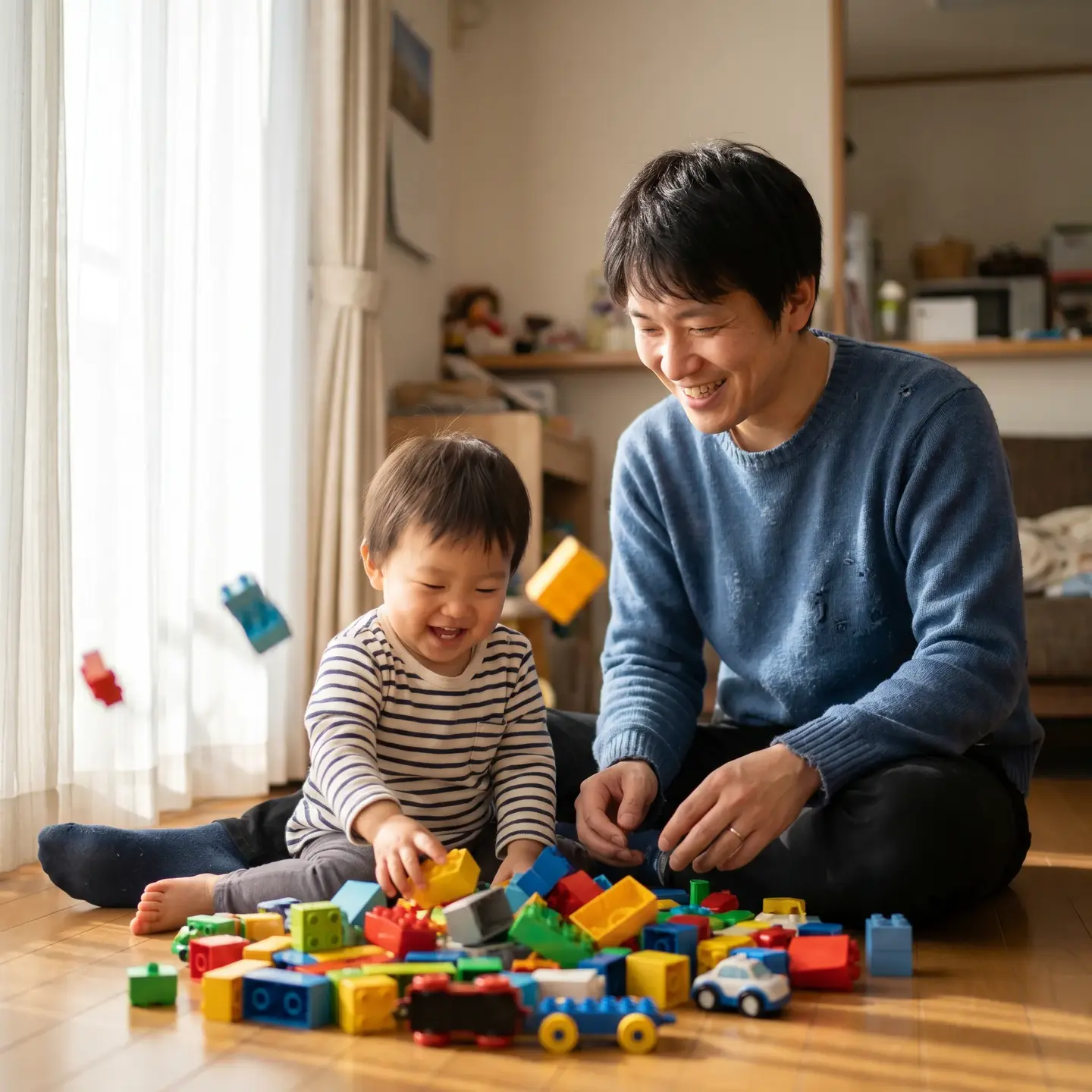
Parent and child playing with toys interaction

Parenting Classes

Structure: Group-based, psychoeducational format

Focus: General parenting principles and strategies applicable to most children

Approach: Educational—teaching concepts and skills to all participants

Best for:

  • Building foundational parenting knowledge
  • Learning general principles of child development
  • Connecting with other parents facing similar challenges
  • Prevention and early intervention before problems become entrenched

Family Therapy

Structure: Sessions involving multiple family members together

Focus: Family system patterns, communication, and relational dynamics

Approach: Working with the whole family as a unit to address systemic issues

Best for:

  • Significant family conflict affecting multiple relationships
  • Communication breakdowns between family members
  • Major family transitions (separation, blending families, grief)
  • When the issue involves patterns between multiple family members

Many families benefit from different approaches at different times, or may combine approaches—for example, parent coaching alongside individual therapy for a child with anxiety, or following parenting classes with individualized coaching to apply general principles to specific challenges.

What to Expect in Your First Parent Coaching Session

Understanding what happens in that first session can reduce apprehension and help you prepare to make the most of the experience. If you’ve been hesitant about reaching out for support, knowing what to expect often makes taking that first step feel more manageable.

Before the Session

Consider gathering thoughts on:

  • The specific behaviours or situations causing the most distress
  • When these challenges tend to occur (time of day, triggers, settings)
  • What you’ve already tried and how it worked (or didn’t)
  • Your child’s strengths and the moments when things go well
  • Your goals—what would improvement actually look like for your family?

During the First Session

The initial session focuses primarily on understanding your unique situation. Your coach will ask questions about:

  • Your child’s developmental history and current stage
  • The specific challenges bringing you to coaching
  • Your family’s structure, routines, and dynamics
  • What strategies have been attempted and their outcomes
  • Your own parenting history and what influences your approach

This isn’t an interrogation—it’s a collaborative conversation. The goal is building a complete picture that allows for truly individualized guidance. You should feel heard, not judged. A skilled coach recognizes that you’re doing the best you can with the resources and knowledge you have.

What Comes Next

Following assessment, parent coaching typically moves into a cycle of:

  1. Learning — Understanding concepts about your child’s behaviour, development, or emotional needs
  2. Planning — Developing specific strategies to try between sessions
  3. Implementing — Practicing new approaches in daily life
  4. Reflecting — Discussing what happened, what worked, and what needs adjustment
  5. Refining — Modifying strategies based on real-world feedback

This iterative process acknowledges that meaningful change rarely happens overnight. It builds your skills progressively while providing ongoing support as you navigate the inevitable challenges of implementing new approaches.

Common Issues Addressed Through Parent Coaching

Parent coaching proves particularly effective for challenges where parental responses play a significant role in maintaining or resolving the pattern. Understanding why a parent-focused approach works for these issues helps clarify whether coaching might be right for your family.

Defiance and Oppositional Behaviour

When children consistently refuse requests, argue over every instruction, or seem to defy parents deliberately, it often reflects a cycle that has developed over time. Parent coaching helps you understand what’s driving the defiance—whether it’s a need for control, difficulty with transitions, frustration with expectations, or something else entirely—and develop responses that interrupt the cycle rather than escalate it.

For insights specifically about navigating these dynamics, explore our resources on strategies for strong-willed children.

Emotional Regulation Difficulties

Children who have frequent meltdowns, seem unable to calm down once upset, or experience emotions at an intensity that overwhelms them often need co-regulation from caregivers to gradually build their own regulatory capacity. Parent coaching teaches you how to remain grounded during your child’s storms, validate their experience without escalating the situation, and scaffold the development of their emotional skills.

Anxiety and Avoidance

When children are anxious, parents naturally want to protect them from distress. Unfortunately, some protective responses—rescuing them from feared situations, providing excessive reassurance, allowing avoidance—can inadvertently maintain the anxiety. SPACE treatment for childhood anxiety is an evidence-based approach that works entirely through parents, helping you reduce anxiety accommodation while increasing validation and support.

ADHD-Related Behavioural Challenges

Children with ADHD aren’t choosing to be disorganized, impulsive, or inattentive—their brains work differently. Parent coaching for ADHD focuses on modifying the environment, adjusting expectations to account for executive function differences, and developing external supports that work with your child’s neurology rather than against it. Research consistently shows that parent-based interventions for ADHD produce meaningful improvements in both child behaviour and parenting stress.

Sibling Conflict

Constant fighting between siblings strains the entire family system. Parent coaching helps you understand the dynamics driving conflict—competition for attention, developmental differences, temperament mismatches—and develop strategies that reduce friction while teaching conflict resolution skills.

Building Frustration Tolerance

Children who fall apart at the first obstacle, give up easily, or become explosive when things don’t go their way need help developing distress tolerance. Parent coaching equips you to respond to these moments in ways that gradually build your child’s capacity to handle frustration rather than inadvertently reinforcing the meltdown pattern.

How to Know If Parent Coaching Is Working: Measurable Outcomes

A question we hear frequently from parents is: “How will I know if this is actually helping?” It’s an important question. Effective parent coaching should produce observable changes, even if progress isn’t always linear.

Changes You Might See in Your Child

  • Reduced frequency of challenging behaviours (fewer tantrums, less defiance, lower anxiety levels)
  • Reduced intensity when challenges do occur (shorter meltdowns, quicker recovery)
  • Improved cooperation and responsiveness to requests
  • Better emotional regulation and ability to use coping strategies
  • Increased confidence in previously avoided situations
  • Stronger connection and more positive interactions with you

Changes You Might Notice in Yourself

  • Increased confidence in your ability to handle difficult moments
  • Reduced stress and emotional exhaustion around parenting
  • Better understanding of your child’s needs and underlying motivations
  • More effective responses that match your values and goals
  • Greater calm during challenging interactions
  • Improved relationship quality with your child

Realistic Expectations

Progress in parent coaching typically unfolds in phases. Many parents notice:

  1. Early weeks: Increased understanding of what’s driving behaviours; feeling more hopeful
  2. Initial implementation: Some immediate improvements alongside inevitable setbacks; learning what works
  3. Consolidation: Strategies become more natural; changes begin to stick
  4. Generalization: Skills transfer to new situations; you can adapt approaches independently

It’s normal for things to temporarily get harder before they get easier, especially when changing long-standing patterns. A skilled coach helps you navigate these inevitable bumps and maintain motivation during challenging periods.

The Role of Evidence-Based Approaches in Parent Coaching

Effective parent coaching draws from research-validated frameworks that have been tested and refined through clinical research. While you don’t need to become an expert in these approaches, understanding that your coach’s guidance is grounded in evidence can increase confidence in the process.

Key Frameworks That Inform Parent Coaching

Behavioural Parent Training: Principles derived from learning theory that address how consequences shape behaviour. This includes understanding positive reinforcement, clear expectations, and consistent responses.

Emotion Coaching: Based on Gottman’s research showing that how parents respond to children’s emotions significantly impacts emotional development and behavioural outcomes.

Attachment-Informed Approaches: Recognizing that secure attachment provides the foundation for healthy development and that strengthening the parent-child relationship enhances children’s capacity to manage challenges.

SPACE (Supportive Parenting for Anxious Childhood Emotions): An evidence-based approach that reduces childhood anxiety through changes in parental accommodation and response patterns.

For a deeper exploration of child development principles that inform this work, visit our page on understanding your child’s emotional development.

When to Consider Parent Coaching for Your Family

Parent coaching might be the right fit for your family if you:

  • Feel stuck in recurring patterns of conflict or challenging behaviour
  • Want to understand why your child behaves the way they do, not just what to do about it
  • Have tried strategies from books or the internet without consistent success
  • Need guidance tailored to your specific child’s temperament and your family’s unique dynamics
  • Are navigating a diagnosis (ADHD, anxiety, learning differences) and want support implementing appropriate strategies
  • Want to strengthen your relationship with your child while addressing behavioural concerns
  • Feel overwhelmed, exhausted, or uncertain about your parenting approach
  • Have a partner and need help getting on the same page about parenting strategies

Parent comforting child in bedroom

When Other Services Might Be More Appropriate

Parent coaching focuses on building parenting skills and changing family patterns. Other services might be better suited when:

  • Your child has severe mental health concerns requiring direct clinical intervention
  • Significant trauma requires specialized trauma-focused therapy
  • Family conflict involves multiple complex relationships needing family systems work
  • Your child specifically asks for their own therapist and would benefit from individual support

Often, the best approach involves a combination—parent coaching alongside other interventions, with providers collaborating to ensure coordinated support.

Taking the First Step

If you’ve recognized yourself in any of what we’ve described—the exhaustion, the uncertainty, the feeling that you’re somehow failing despite trying so hard—know that seeking professional support is not an admission of failure. It’s an act of love and commitment to your child and your family.

Parent coaching offers something that books and blogs cannot: individualized guidance from a clinical expert who understands your specific child, your particular challenges, and the unique context of your family. It provides not just strategies but understanding—helping you see your child’s behaviour through a new lens that transforms frustration into compassion and confusion into clarity.

We understand how difficult it can be to reach out. Many parents carry guilt about struggling, worry about being judged, or feel uncertain about whether their situation is “serious enough” to warrant professional help. At Foundations for Emotional Wellness, we believe that any family experiencing distress deserves support—and that the courage to seek help reflects strength, not weakness.

To explore whether parent coaching might be right for your family, we invite you to visit our Parent Coaching page or reach out to schedule a consultation. Together, we can help you build the confidence, skills, and connection that your family deserves.

Frequently Asked Questions

Track reduced meltdown frequency and intensity, better cooperation, and improved emotional coping in your child, plus your own gains like less stress and confident responses. Progress phases include early understanding in weeks one and two, strategy testing with setbacks, then natural integration. Discuss observations in sessions to refine and stay motivated.

Unlike books, blogs, or group classes with one-size-fits-all tips, parent coaching is a personalized collaboration with a clinician. It starts with assessing your child’s specific behaviors, triggers, and family dynamics, then builds tailored, evidence-based strategies you implement at home, focusing on the why behind challenges for real, lasting change.

Research shows kids learn emotional regulation and behavior through relationships with caregivers. By shifting your responses, you directly improve their developmental environment. Studies on parent training reveal moderate-to-strong effects on reducing defiance, anxiety, and boosting family bonds, often more effectively than child-only therapy for behavioral issues.

Yes, for parent-mediated challenges. It tailors strategies to ADHD executive function needs such as environment tweaks and realistic expectations, and anxiety via SPACE, which involves cutting accommodation while validating feelings. It is ideal if generic tips have failed. Combine with child therapy if severe mental health issues need direct intervention.

Expect a supportive conversation, not judgment. Share your child’s challenges, triggers, what you have tried, family routines, and goals. Your coach assesses developmental history and dynamics to create a clear picture. Prepare by noting specific behaviors and successes. You will walk away with initial insights and a plan for next steps.

Dr. Zia Lakdawalla
Dr. Zia Lakdawalla
I am a registered clinical psychologist who specializes in working with children, adolescents, and parents. My goal is to help clients cope with uncomfortable feelings, improve relationships, and increase competency and efficacy in managing the demands of each new stage of development.I am also a strong believer that the environment in which kids are immersed is a critical factor in how they learn to regulate their emotions and build resilience.

Take the first step toward calm, connected parenting

You don’t have to keep guessing. With the right tools and support, parenting can feel easier—and your child can thrive.

Book a Free Consultation


How we Treat

What we Treat

Parent Coaching: A Complete Guide to Therapeutic Support for Families

General Parenting

By: Dr. Zia

Two people sit on a bench in a lush garden surrounded by greenery and flowers. They face each other with their foreheads touching, sharing a moment of closeness. The sunset lighting casts a warm glow over the serene scene.

Raising children brings moments of profound joy and connection, but it also brings challenges that can leave even the most dedicated parents feeling uncertain, exhausted, and wondering if they’re doing something wrong. When daily battles over homework, emotional meltdowns that seem to come from nowhere, or a child’s persistent anxiety begin to wear on the entire family, it’s natural to search for answers. You’ve likely read the books, tried the strategies from social media, and asked friends for advice—yet nothing seems to work consistently for your unique child in your particular family. This is precisely where parent coaching enters the picture, not as another set of generic tips, but as a specialized therapeutic intervention designed to help you understand the “why” behind your child’s challenging behaviours and equip you with evidence-based strategies tailored to your family’s specific needs.

What Parent Coaching Actually Involves: Beyond Parenting Tips

Parent coaching is fundamentally different from scrolling through parenting blogs or attending a one-size-fits-all workshop. At its core, it’s a collaborative therapeutic relationship between you and a trained clinician who specializes in child development and family dynamics. Rather than offering surface-level advice, parent coaching begins with a thorough assessment of your unique situation—your child’s temperament, developmental stage, the specific challenges you’re facing, what you’ve already tried, and the broader family context that shapes daily interactions.

Parent holding child's hand outdoors

When we work with parents through Parent Coaching (Hub), we’re not simply handing over a checklist of things to do differently. We’re helping you develop a deeper understanding of your child’s emotional world and the patterns that have developed between you. This understanding becomes the foundation for meaningful, lasting change.

The Collaborative Structure

Parent coaching sessions typically involve:

  • Detailed assessment of your child’s behaviour patterns, triggers, and underlying needs
  • Psychoeducation about child development, emotional regulation, and the brain science behind challenging behaviours
  • Individualized strategy development based on your specific family dynamics
  • Ongoing support and adjustment as you implement new approaches at home
  • Reflection and refinement based on what’s working and what needs modification

This process acknowledges something crucial: you are the expert on your child’s day-to-day life. A coach brings clinical expertise and evidence-based frameworks, while you bring intimate knowledge of your family. Together, this partnership creates solutions that actually fit your reality.

The Evidence Base: Why Working With Parents Changes Child Behaviour

One question parents often ask is: “Shouldn’t my child be the one in therapy?” It’s a reasonable question, and for certain concerns, direct child therapy is absolutely appropriate. However, a substantial body of research demonstrates that for many behavioural and emotional challenges—particularly in younger children—parent-focused interventions produce significant, lasting improvements in child outcomes.

The clinical rationale is straightforward yet profound: children develop within the context of relationships. The parent-child relationship serves as the primary environment where children learn to regulate emotions, respond to frustration, tolerate discomfort, and navigate social expectations. When we help parents shift their responses, we’re directly changing the developmental environment that shapes the child’s behaviour.

What the Research Shows

According to evidence-based parent training interventions, parenting-focused approaches consistently demonstrate effectiveness for reducing disruptive behaviour, improving compliance, and strengthening the parent-child bond. Meta-analyses examining parent-based interventions have documented moderate to strong effect sizes across multiple domains, including behavioural management, anxiety reduction, and overall family functioning.

This evidence base informs our evidence-informed approach, which translates complex psychological research into practical strategies you can implement in your daily life.

The Relationship Connection

Consider how children learn emotional regulation. When a toddler becomes frustrated and throws a toy, or a school-age child melts down over homework, they’re not yet equipped with the neurological or psychological tools to manage those big feelings independently. They depend on attuned caregivers to help them understand what they’re experiencing and gradually develop their own regulatory capacity.

Gottman’s research-backed emotion coaching approach demonstrates that when parents respond to children’s emotions with validation and guidance rather than dismissal or punishment, children develop stronger emotional intelligence and more adaptive coping strategies. Parent coaching helps you become this kind of emotion coach for your child—even when their emotions are overwhelming for both of you.

Parent Coaching vs. Parenting Classes vs. Family Therapy: Choosing the Right Fit

Understanding the differences between available support options helps you make an informed decision about what your family needs. Each approach serves distinct purposes and works best for different situations.

Parent Coaching

Structure: Individualized sessions between parent(s) and a trained clinician

Focus: Your specific child, your particular challenges, and strategies tailored to your family’s unique dynamics

Approach: You are the primary agent of change, learning to implement strategies in your daily life

Best for:

  • Behavioural challenges that require individualized strategies
  • When you need to understand the “why” behind your child’s behaviour
  • Building specific skills to respond effectively to emotional outbursts, defiance, or anxiety
  • Situations where generic advice hasn’t worked

Parent and child playing with toys interaction

Parenting Classes

Structure: Group-based, psychoeducational format

Focus: General parenting principles and strategies applicable to most children

Approach: Educational—teaching concepts and skills to all participants

Best for:

  • Building foundational parenting knowledge
  • Learning general principles of child development
  • Connecting with other parents facing similar challenges
  • Prevention and early intervention before problems become entrenched

Family Therapy

Structure: Sessions involving multiple family members together

Focus: Family system patterns, communication, and relational dynamics

Approach: Working with the whole family as a unit to address systemic issues

Best for:

  • Significant family conflict affecting multiple relationships
  • Communication breakdowns between family members
  • Major family transitions (separation, blending families, grief)
  • When the issue involves patterns between multiple family members

Many families benefit from different approaches at different times, or may combine approaches—for example, parent coaching alongside individual therapy for a child with anxiety, or following parenting classes with individualized coaching to apply general principles to specific challenges.

What to Expect in Your First Parent Coaching Session

Understanding what happens in that first session can reduce apprehension and help you prepare to make the most of the experience. If you’ve been hesitant about reaching out for support, knowing what to expect often makes taking that first step feel more manageable.

Before the Session

Consider gathering thoughts on:

  • The specific behaviours or situations causing the most distress
  • When these challenges tend to occur (time of day, triggers, settings)
  • What you’ve already tried and how it worked (or didn’t)
  • Your child’s strengths and the moments when things go well
  • Your goals—what would improvement actually look like for your family?

During the First Session

The initial session focuses primarily on understanding your unique situation. Your coach will ask questions about:

  • Your child’s developmental history and current stage
  • The specific challenges bringing you to coaching
  • Your family’s structure, routines, and dynamics
  • What strategies have been attempted and their outcomes
  • Your own parenting history and what influences your approach

This isn’t an interrogation—it’s a collaborative conversation. The goal is building a complete picture that allows for truly individualized guidance. You should feel heard, not judged. A skilled coach recognizes that you’re doing the best you can with the resources and knowledge you have.

What Comes Next

Following assessment, parent coaching typically moves into a cycle of:

  1. Learning — Understanding concepts about your child’s behaviour, development, or emotional needs
  2. Planning — Developing specific strategies to try between sessions
  3. Implementing — Practicing new approaches in daily life
  4. Reflecting — Discussing what happened, what worked, and what needs adjustment
  5. Refining — Modifying strategies based on real-world feedback

This iterative process acknowledges that meaningful change rarely happens overnight. It builds your skills progressively while providing ongoing support as you navigate the inevitable challenges of implementing new approaches.

Common Issues Addressed Through Parent Coaching

Parent coaching proves particularly effective for challenges where parental responses play a significant role in maintaining or resolving the pattern. Understanding why a parent-focused approach works for these issues helps clarify whether coaching might be right for your family.

Defiance and Oppositional Behaviour

When children consistently refuse requests, argue over every instruction, or seem to defy parents deliberately, it often reflects a cycle that has developed over time. Parent coaching helps you understand what’s driving the defiance—whether it’s a need for control, difficulty with transitions, frustration with expectations, or something else entirely—and develop responses that interrupt the cycle rather than escalate it.

For insights specifically about navigating these dynamics, explore our resources on strategies for strong-willed children.

Emotional Regulation Difficulties

Children who have frequent meltdowns, seem unable to calm down once upset, or experience emotions at an intensity that overwhelms them often need co-regulation from caregivers to gradually build their own regulatory capacity. Parent coaching teaches you how to remain grounded during your child’s storms, validate their experience without escalating the situation, and scaffold the development of their emotional skills.

Anxiety and Avoidance

When children are anxious, parents naturally want to protect them from distress. Unfortunately, some protective responses—rescuing them from feared situations, providing excessive reassurance, allowing avoidance—can inadvertently maintain the anxiety. SPACE treatment for childhood anxiety is an evidence-based approach that works entirely through parents, helping you reduce anxiety accommodation while increasing validation and support.

ADHD-Related Behavioural Challenges

Children with ADHD aren’t choosing to be disorganized, impulsive, or inattentive—their brains work differently. Parent coaching for ADHD focuses on modifying the environment, adjusting expectations to account for executive function differences, and developing external supports that work with your child’s neurology rather than against it. Research consistently shows that parent-based interventions for ADHD produce meaningful improvements in both child behaviour and parenting stress.

Sibling Conflict

Constant fighting between siblings strains the entire family system. Parent coaching helps you understand the dynamics driving conflict—competition for attention, developmental differences, temperament mismatches—and develop strategies that reduce friction while teaching conflict resolution skills.

Building Frustration Tolerance

Children who fall apart at the first obstacle, give up easily, or become explosive when things don’t go their way need help developing distress tolerance. Parent coaching equips you to respond to these moments in ways that gradually build your child’s capacity to handle frustration rather than inadvertently reinforcing the meltdown pattern.

How to Know If Parent Coaching Is Working: Measurable Outcomes

A question we hear frequently from parents is: “How will I know if this is actually helping?” It’s an important question. Effective parent coaching should produce observable changes, even if progress isn’t always linear.

Changes You Might See in Your Child

  • Reduced frequency of challenging behaviours (fewer tantrums, less defiance, lower anxiety levels)
  • Reduced intensity when challenges do occur (shorter meltdowns, quicker recovery)
  • Improved cooperation and responsiveness to requests
  • Better emotional regulation and ability to use coping strategies
  • Increased confidence in previously avoided situations
  • Stronger connection and more positive interactions with you

Changes You Might Notice in Yourself

  • Increased confidence in your ability to handle difficult moments
  • Reduced stress and emotional exhaustion around parenting
  • Better understanding of your child’s needs and underlying motivations
  • More effective responses that match your values and goals
  • Greater calm during challenging interactions
  • Improved relationship quality with your child

Realistic Expectations

Progress in parent coaching typically unfolds in phases. Many parents notice:

  1. Early weeks: Increased understanding of what’s driving behaviours; feeling more hopeful
  2. Initial implementation: Some immediate improvements alongside inevitable setbacks; learning what works
  3. Consolidation: Strategies become more natural; changes begin to stick
  4. Generalization: Skills transfer to new situations; you can adapt approaches independently

It’s normal for things to temporarily get harder before they get easier, especially when changing long-standing patterns. A skilled coach helps you navigate these inevitable bumps and maintain motivation during challenging periods.

The Role of Evidence-Based Approaches in Parent Coaching

Effective parent coaching draws from research-validated frameworks that have been tested and refined through clinical research. While you don’t need to become an expert in these approaches, understanding that your coach’s guidance is grounded in evidence can increase confidence in the process.

Key Frameworks That Inform Parent Coaching

Behavioural Parent Training: Principles derived from learning theory that address how consequences shape behaviour. This includes understanding positive reinforcement, clear expectations, and consistent responses.

Emotion Coaching: Based on Gottman’s research showing that how parents respond to children’s emotions significantly impacts emotional development and behavioural outcomes.

Attachment-Informed Approaches: Recognizing that secure attachment provides the foundation for healthy development and that strengthening the parent-child relationship enhances children’s capacity to manage challenges.

SPACE (Supportive Parenting for Anxious Childhood Emotions): An evidence-based approach that reduces childhood anxiety through changes in parental accommodation and response patterns.

For a deeper exploration of child development principles that inform this work, visit our page on understanding your child’s emotional development.

When to Consider Parent Coaching for Your Family

Parent coaching might be the right fit for your family if you:

  • Feel stuck in recurring patterns of conflict or challenging behaviour
  • Want to understand why your child behaves the way they do, not just what to do about it
  • Have tried strategies from books or the internet without consistent success
  • Need guidance tailored to your specific child’s temperament and your family’s unique dynamics
  • Are navigating a diagnosis (ADHD, anxiety, learning differences) and want support implementing appropriate strategies
  • Want to strengthen your relationship with your child while addressing behavioural concerns
  • Feel overwhelmed, exhausted, or uncertain about your parenting approach
  • Have a partner and need help getting on the same page about parenting strategies

Parent comforting child in bedroom

When Other Services Might Be More Appropriate

Parent coaching focuses on building parenting skills and changing family patterns. Other services might be better suited when:

  • Your child has severe mental health concerns requiring direct clinical intervention
  • Significant trauma requires specialized trauma-focused therapy
  • Family conflict involves multiple complex relationships needing family systems work
  • Your child specifically asks for their own therapist and would benefit from individual support

Often, the best approach involves a combination—parent coaching alongside other interventions, with providers collaborating to ensure coordinated support.

Taking the First Step

If you’ve recognized yourself in any of what we’ve described—the exhaustion, the uncertainty, the feeling that you’re somehow failing despite trying so hard—know that seeking professional support is not an admission of failure. It’s an act of love and commitment to your child and your family.

Parent coaching offers something that books and blogs cannot: individualized guidance from a clinical expert who understands your specific child, your particular challenges, and the unique context of your family. It provides not just strategies but understanding—helping you see your child’s behaviour through a new lens that transforms frustration into compassion and confusion into clarity.

We understand how difficult it can be to reach out. Many parents carry guilt about struggling, worry about being judged, or feel uncertain about whether their situation is “serious enough” to warrant professional help. At Foundations for Emotional Wellness, we believe that any family experiencing distress deserves support—and that the courage to seek help reflects strength, not weakness.

To explore whether parent coaching might be right for your family, we invite you to visit our Parent Coaching page or reach out to schedule a consultation. Together, we can help you build the confidence, skills, and connection that your family deserves.

The Most Magical Tool in my Parent Toolkit

Raising children is one of the most challenging jobs, and despite that, many people feel utterly underprepared. I want …

Read more

Why won’t my child listen? Reframing an age-old problem.

Why won’t my child listen? Why is he being so defiant? Why do I have to ask so many times for her to do what I need h…

Read more

The Art of Raising Emotionally Resilient Children: An Essential Guide for Parents

Raising emotionally resilient children is an art that every parent can master. This essential guide provides practical s…

Read more