

Feeling Rangers: An Emotional Regulation Group for Kids
An 8-week in-person small group for children in Grades 2 to 4 who are still learning what to do with big feelings. Children learn to notice, name and navigate their emotions through movement, games, mindfulness and creative work. Parents take part from beginning to end. Facilitated by Heather Leeanne McDonald, M.A., Registered Psychotherapist.
Book a Free Consultation

Some Children Feel Everything at Full Volume
A small disappointment becomes a meltdown. A change of plan becomes a crisis. A moment of frustration turns into slammed doors, tears, or words nobody meant. And then, twenty minutes later, your child is fine and you are still recovering.
If this is familiar, your child is not being difficult on purpose. They have a nervous system that moves fast and a set of skills that has not caught up to it yet. Those skills are learnable, and Grades 2 to 4 is exactly the age to learn them. That is what Feeling Rangers is for.
Feeling Rangers does not teach children that difficult feelings need to be stopped or gotten rid of. It helps them become curious explorers of their emotions, bodies, brains, thoughts and relationships, so they can notice, understand, name, navigate and communicate what they are feeling. All feelings are okay. Feelings give us information. What matters is what we do and say when we have them.
Is This Group Right for Your Child?
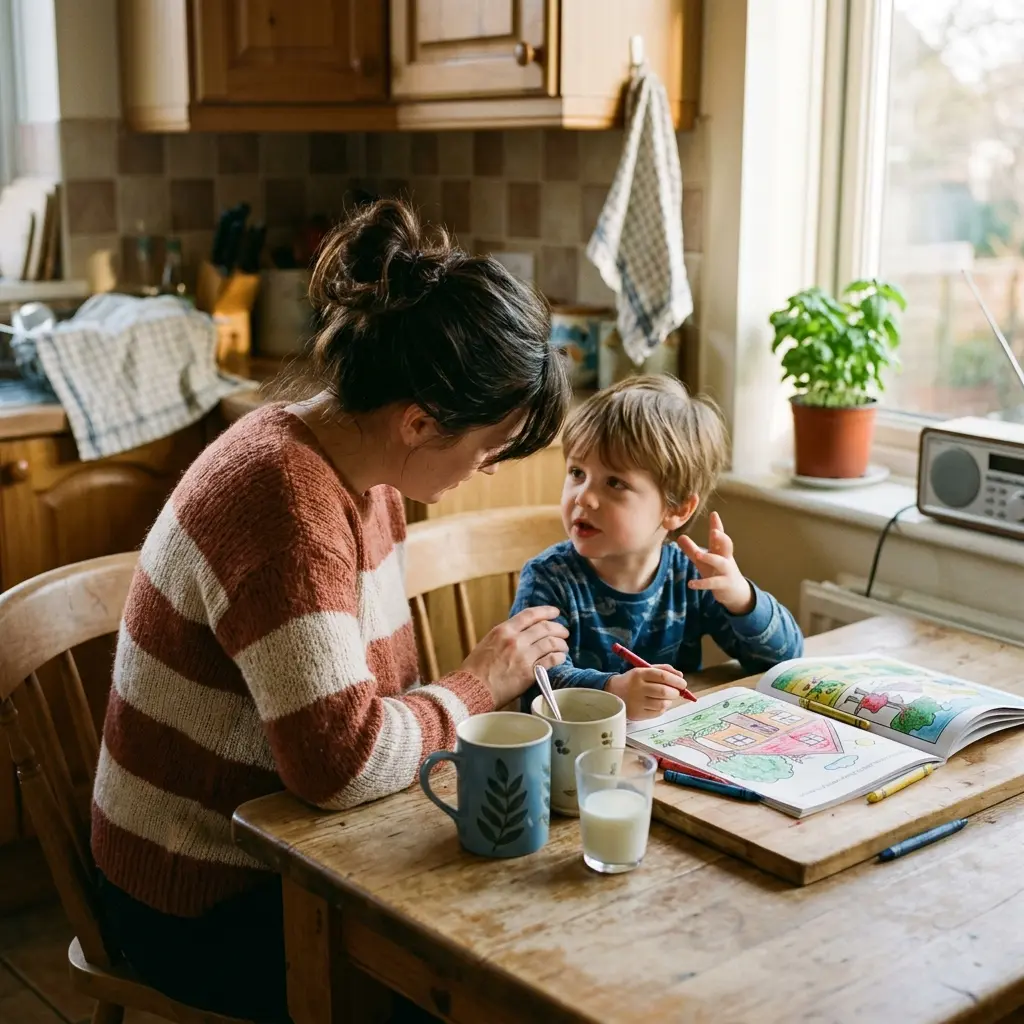
Feeling Rangers may be a good fit if your child has big reactions that seem out of proportion to what happened, goes from calm to overwhelmed with little warning, or struggles to settle once upset. It suits children who have trouble putting feelings into words and show them through behaviour instead, who get frustrated easily or give up when something feels hard, who find conflict with friends or siblings difficult to repair, who worry and need a lot of reassurance, or who hold it together at school and fall apart at home.
Children do not need a diagnosis to take part. Some children in the group are anxious, some are quick to anger, some are highly sensitive, and some are simply still building the vocabulary. If you are unsure whether it is the right fit, the parent intake meeting is designed to work that out together before anyone commits.
What Children Learn in Eight Sessions
Each session runs one hour and builds on the one before it. Children move from noticing what happens in their bodies, to understanding what emotions are for, to what they can do about them, and finally to how it all works between people. Everything is learned by doing: movement, games, experiments, role play, mindfulness and crafts, with handouts going home so the learning continues between sessions.
Session 1: Becoming a Feeling Ranger
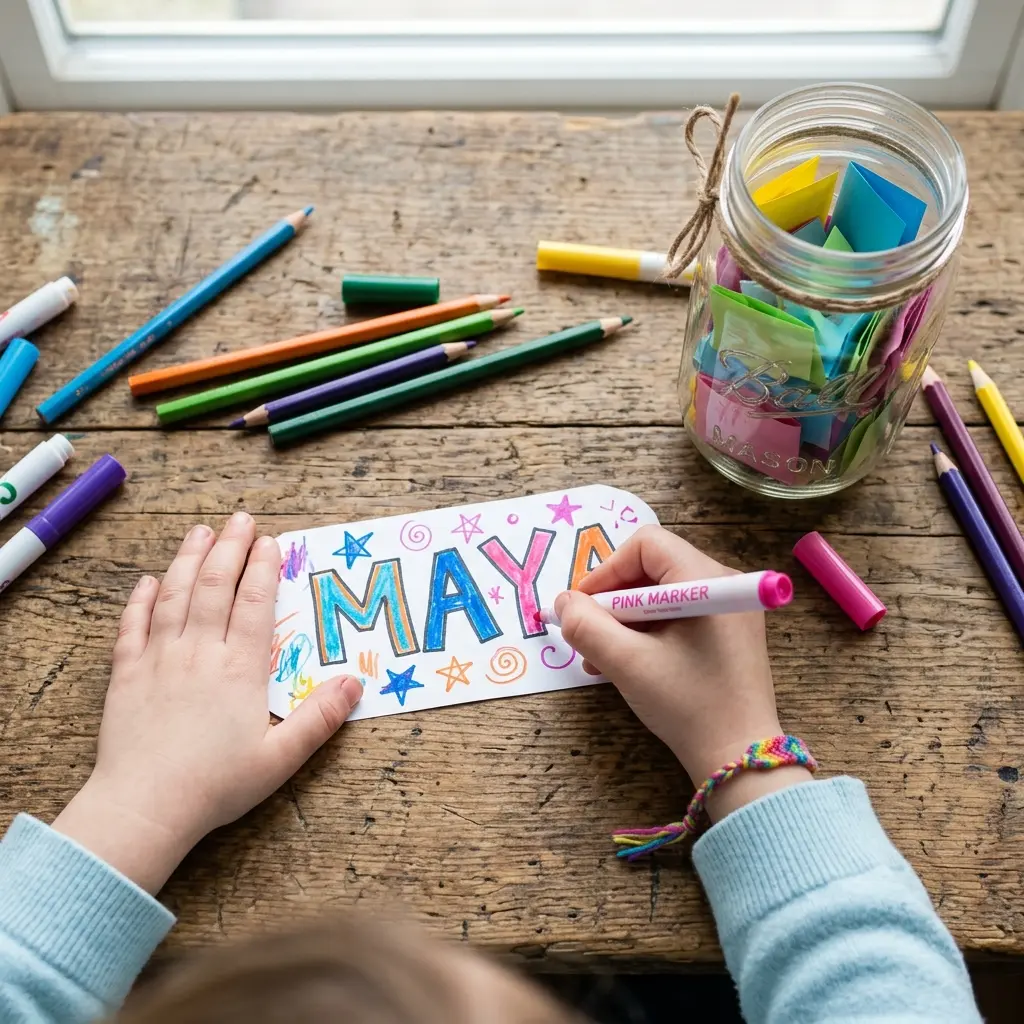
Feelings happen in our bodies, and our bodies have different levels of energy. Children get to know one another, meet the basic emotions, and start noticing how much energy is in their body right now and what they can do with it. The same emotion creates different energy in different people: worry makes one child restless and another go quiet. Each child also makes a wish for what they hope to gain from the group, which is sealed in the Feeling Rangers Wish Jar and reopened in Session 8.
Session 2: Feelings Have Jobs
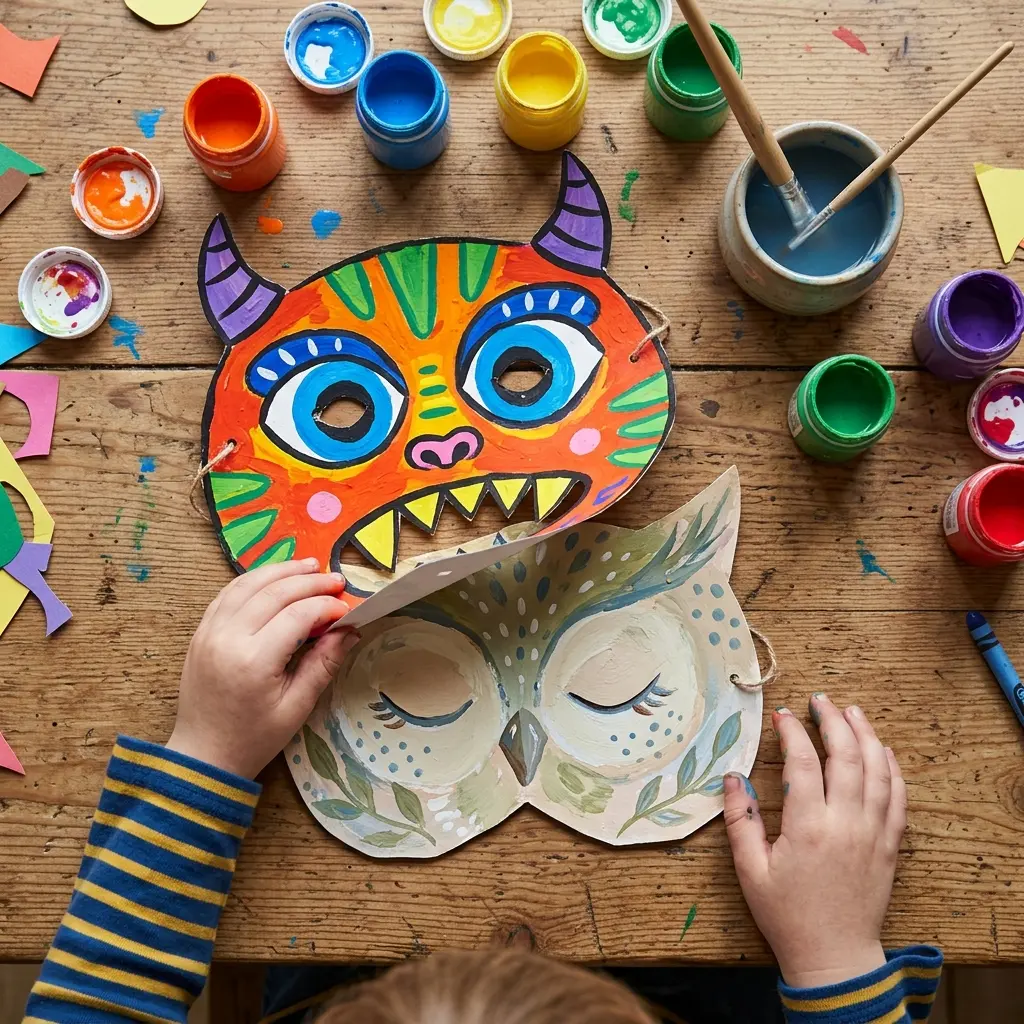
Every emotion is trying to tell us something. Anger can signal that something feels unfair or that we need a boundary. Sadness can signal loss, or a need for comfort. Children also learn we can feel more than one thing at once, and explore how anger often works like a mask: underneath “I’m angry!” there is frequently “I’m hurt”, “I feel left out”, “I’m embarrassed” or “I don’t know what to do”. Through a creative mask activity, they begin exploring primary and secondary emotions in an age-appropriate way.
Session 3: Body-Clue Detectives
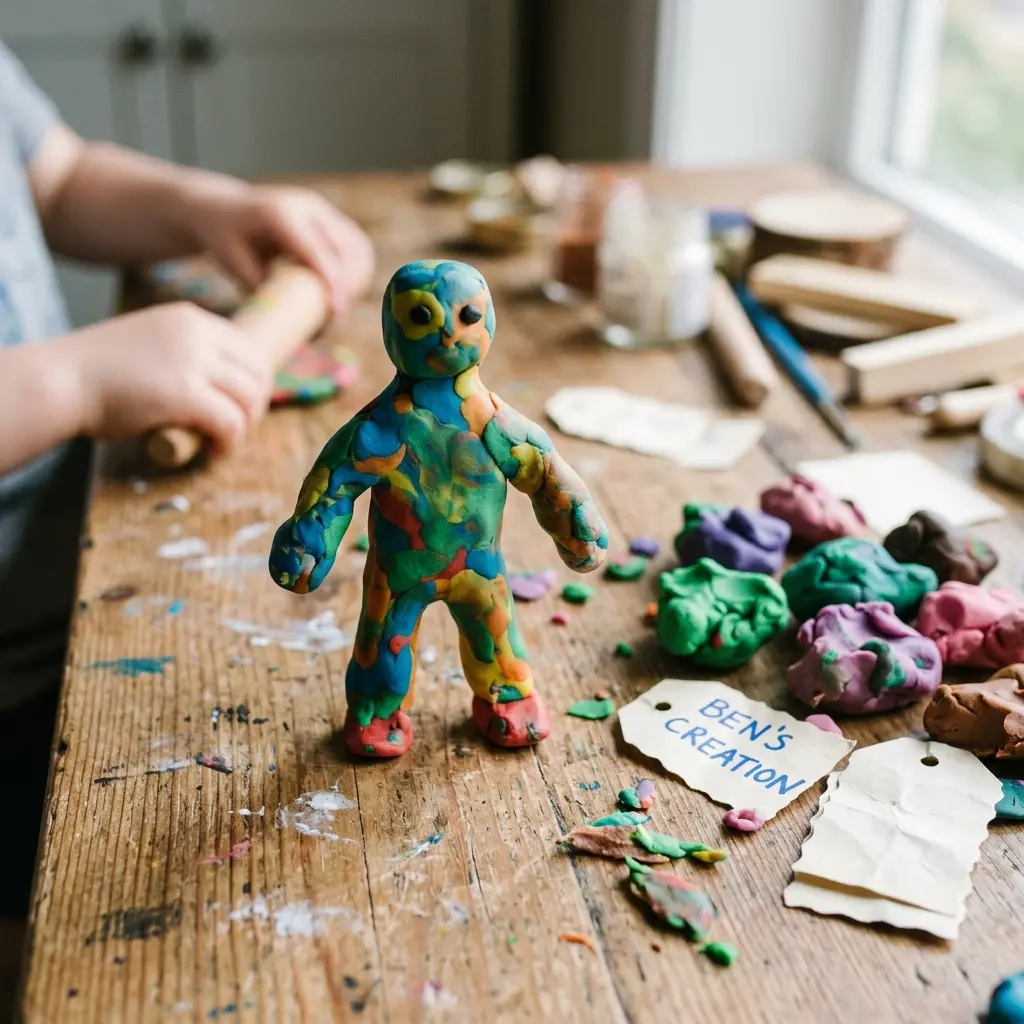
Our bodies give us clues about our feelings before those feelings become really big. Children become detectives of their own tight hands, jumpy legs, hot faces and fluttery stomachs, and build a Plasticine Mini-Me to map their personal body clues. They also experiment with an important discovery: feelings change our bodies, but changing our bodies can also change how we feel. The message they leave with is simple. The sooner I notice my body clues, the more time I have to choose what to do next.
Session 4: My Brain and Big Feelings
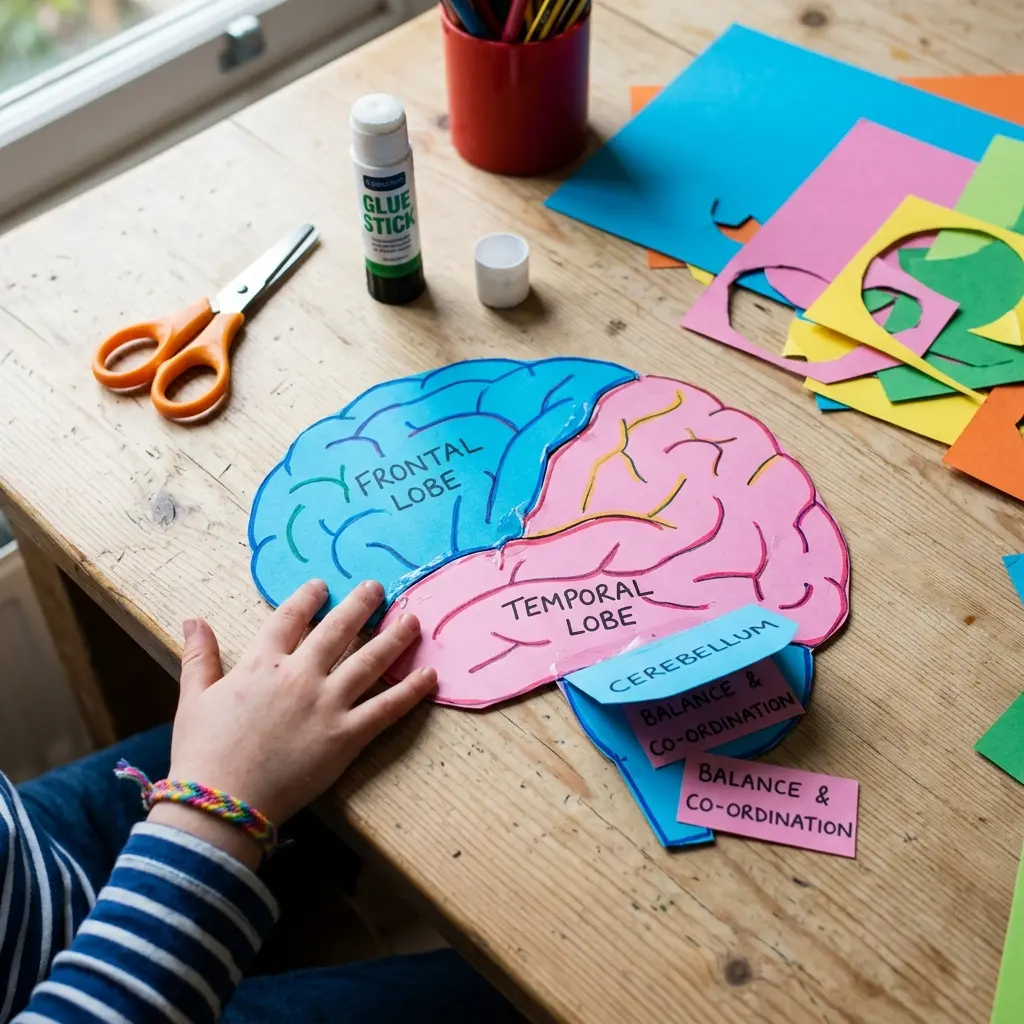
Different parts of our brain have different jobs, and big emotions can change which parts are easiest to use. Children learn, in child-friendly terms, about the fast-reacting survival brain that prepares us to fight, run, freeze or hide, and the thinking brain that helps us pause, use words, problem solve and make choices. They practise Name It to Tame It, noticing and naming what is happening, which is what starts bringing the thinking brain back online. Each child builds an interactive brain craft and uses it to test what helps when the alarm brain takes over.

Session 5: Thought Rangers
What we think can affect how we feel, what happens in our bodies, and what we do next. Children learn to notice their thoughts without having to believe, argue with, or act on every one of them, using ideas like the Thought Remote Control, changing the channel from the worry channel, and watching thoughts float past like leaves on a river. They also meet the brain’s negativity bias and explore gratitude as a way of helping the brain notice what is going well. The goal is not simply “change your thoughts”. It is: notice your thoughts, understand how they affect you, then decide what deserves your attention.

Session 6: Regulation Rangers
Different bodies need different things at different times. This session consolidates everything so far and focuses intensively on mindfulness and body-based regulation. Children practise asking: What am I feeling? What is my energy level? What clues is my body giving me? What is my brain doing? What might help right now? Rather than hunting for one perfect calming strategy, each child assembles a personal toolbox of mindfulness, movement, grounding and sensory strategies matched to different emotional and energy states.
Session 7: Relationship Rangers
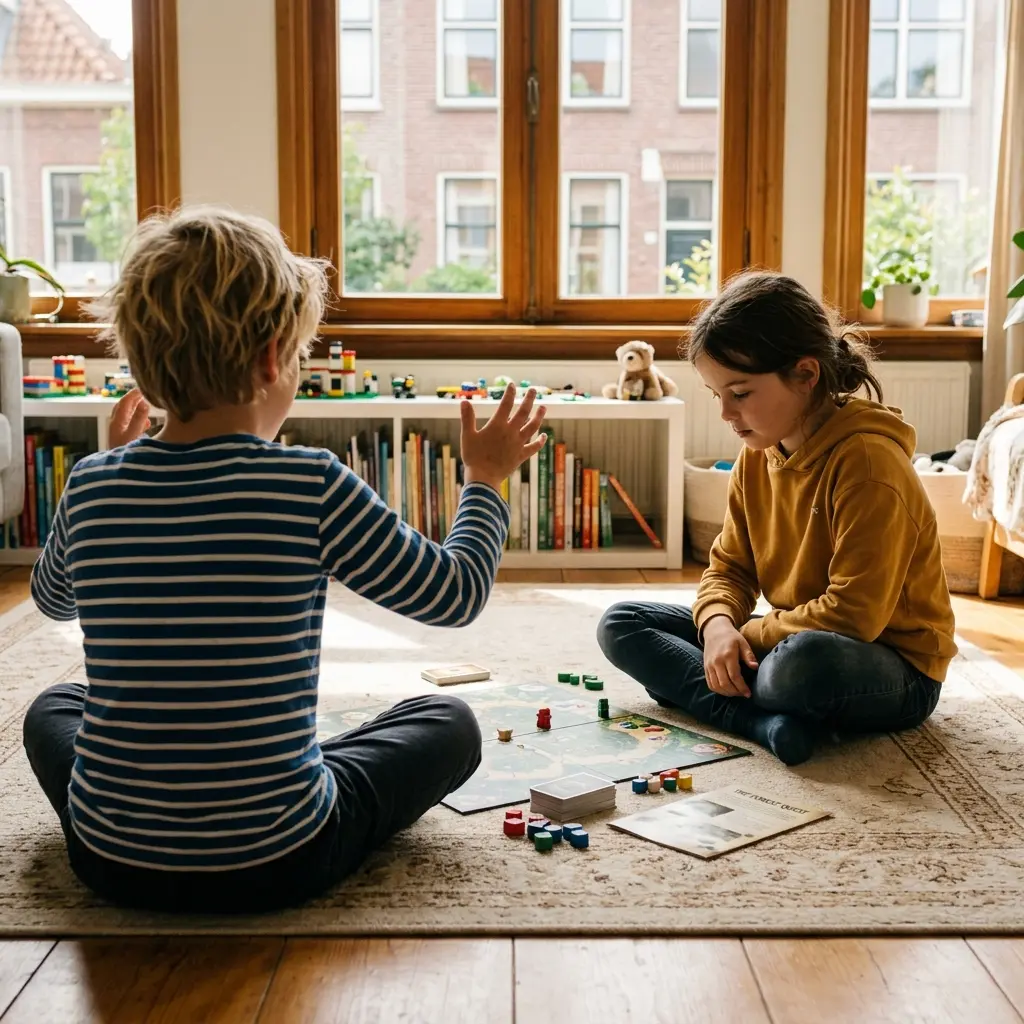
Understanding our own feelings helps us understand and communicate with other people. Children practise empathy, perspective taking, listening, expressing needs and repairing after conflict. They learn Bugs and Wishes, a simple framework for naming what bothered them, how it affected them, and what they wish could happen differently, without attacking the other person. They also practise the harder half: listening when someone says you hurt them, and finding a compromise where both people’s needs matter.

Session 8: Feeling Rangers Celebration
Everything comes together. Through games and scenarios with a stronger social and interactive component, children practise the whole sequence at once: feelings, energy, body clues, brain, thoughts, tools and relationships. The Wish Jar from Session 1 is reopened, and children notice what they hoped to learn, what they understand now, what got easier, and what they are still practising. The emphasis is on recognising growth while understanding that emotional regulation is something we all keep practising.
Every Session Follows the Same Shape
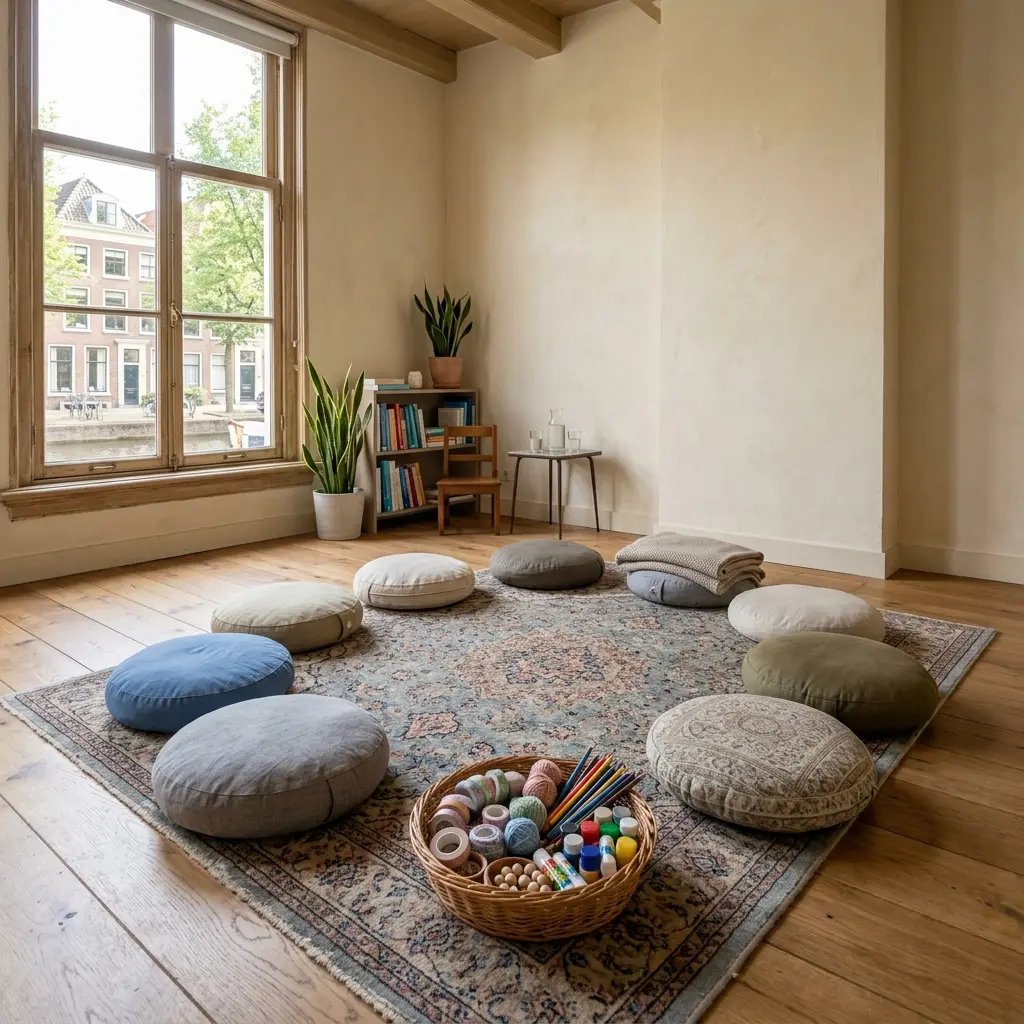
Children settle faster and take more risks when they know exactly what is coming, so every session follows the same predictable structure.
Arrive and land: children settle into the space with a brief mindfulness or grounding activity.
Connect: a short, playful activity builds comfort and group cohesion.
Learn: a brief, developmentally appropriate introduction to the week’s idea.
Practise and create: movement, games, experiments, role play and crafts to explore it hands-on.
Close: the group gathers, notices where everyone is at, and names one thing to take away.
What Makes Feeling Rangers Different
Feelings Are Not the Problem
We don’t teach children to make hard feelings go away. We teach them to notice, name and navigate what they’re feeling, because that’s the skill that lasts.
Learning Through Doing
Masks, plasticine models, brain crafts, games and role play. Children build the skill by practising it, not by being told about it.
A Toolbox, Not a Technique
Different bodies need different things at different moments. Each child leaves with their own set of strategies, matched to how they actually work.
Parents Learn the Same Language
Individual intake before the group, a check-in partway through, and an individual outtake after. What children practise in the group continues at home.
Feeling Rangers is designed so that eight weeks becomes the beginning of something, not the end of it. Children and parents leave with a shared language and a set of practical strategies that keep developing long after the group finishes.
Parents Are Part of This Group
This is not a drop-off program. Parent participation is a required part of Feeling Rangers, and families are asked to commit to it before the group begins. Children practise new skills in the group, but they use them at home, and that only works when the adults around them share the same language.
Before the group, every family meets individually with the facilitator to help us understand your child specifically: what sets them off, what escalation looks like in their body and behaviour, what already helps, where their strengths are, and what you are hoping they take away.
Around the midpoint, parents receive a group check-in covering what the children have learned so far, the shared language being used, and what is coming next, so the same ideas can be reinforced at home.
After the final session, each family meets individually again to talk through what we noticed, what your child learned, which strategies suited them particularly well, where they still need support, and how to carry the learning forward.

Group Details
- Start Date: TBD
- Schedule: TBD
- Format: In person, small group
- Location: Danforth East, 2069 Danforth Ave, 2nd Floor, Suite 4
- For children in: Grades 2 to 4, roughly ages 7 to 10
- Length: 8 weekly sessions, 60 minutes each
- Fee: $95 per session, $760 for the full 8-week series
- Included: A parent check-in partway through the group, and an individual parent outtake after it
- Facilitator: Heather Leeanne McDonald, M.A., Registered Psychotherapist
Sessions are delivered by a registered clinician and are covered by most extended health insurance plans. No referral is needed. Spaces are limited, and every family meets with the facilitator before the group begins. (Please note that the initial parent session is billed separately from the group sessions and may also be eligible for coverage under your extended health benefits).
Book a Free Consultation
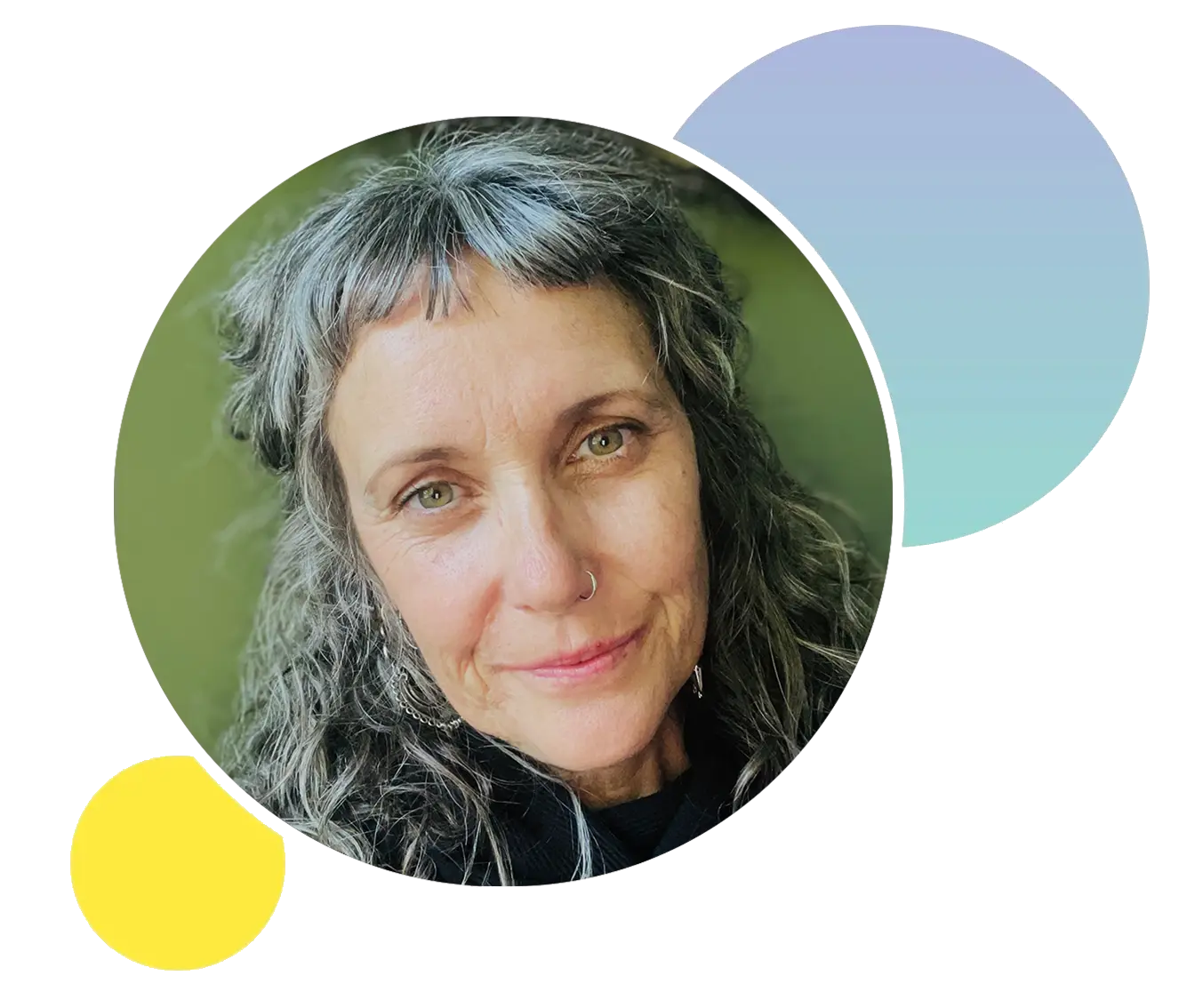
Meet Your Facilitator
Heather Leeanne McDonald, M.A., is a Registered Psychotherapist at FFEW who works with parents, youth and children on connection, temperament and family stress. Feeling Rangers grew out of her clinical work with children who feel things intensely and are still building the language and the tools to manage it. Her approach draws on attachment work, mindfulness-based approaches, and emotion-focused therapy, always delivered through play and hands-on activity at this age.
Read Heather’s Full Bio

Frequently Asked Questions
Here are answers to common questions parents ask about this service—so you can feel more confident about what to expect.
Does my child need a diagnosis to join?
No. Feeling Rangers is for any child in Grades 2 to 4 who is working on understanding and managing emotions. Some children in the group are anxious, some are quick to anger, some are highly sensitive, and some are simply still building the vocabulary. The parent intake meeting is where we work out together whether this group is the right fit for your child.
Do I need to attend the sessions with my child?
Not the weekly sessions, which are for children. But parent participation is required in a different way: an individual intake meeting before the group starts, a check-in partway through, and an individual outtake meeting at the end. Families are asked to commit to these before joining, because the skills only hold at home if the adults share the same language.
What if my child is nervous about joining a group?
That is common, and the first session is built around it. Children spend that time getting to know one another through games and playful activities, with no pressure to share anything difficult. The group is kept small deliberately, and the same predictable structure runs through every session so children always know what is coming next.
Will this help with anger and meltdowns at home?
That is much of what the group is about. Children learn to catch their own escalation earlier, through body clues and naming what is happening, which is what creates room to choose a different response. Sessions 2 and 3 deal directly with anger and what tends to sit underneath it. The parent meetings exist so the same approach continues at home.
My child is anxious rather than angry. Is this still relevant?
Yes. Anxiety and anger look different from the outside but share the same underlying machinery: a fast-reacting nervous system and a set of thoughts and body sensations that escalate before a child notices them. The body clue work, the brain session and the thought work all apply directly, and Session 5 specifically covers noticing an anxious thought without having to argue with it.
Is this a social skills group?
Partly. Session 7 focuses on empathy, listening, expressing needs and repairing conflict, and social skills are practised throughout since the group is itself a live social setting. But the foundation is emotional awareness and regulation: understanding what is happening inside before working on what happens between people.
What if we miss a session?
Life happens. Children receive handouts and resources throughout the program, and we will make sure you have what was covered so your child can rejoin the following week without feeling behind. That said, the sessions build on one another, so the group works best with consistent attendance.
Is the group covered by insurance?
Sessions are delivered by a registered clinician, and most extended health insurance plans that cover psychological services will reimburse them. Coverage varies by plan and provider type, so it is worth checking your specific benefits with your insurer.
Group Details
- Start Date: Monday, October 19, 2026
- Schedule: Mondays from 4:00pm to 5:00pm
- Format: In person, small group
- Location: Danforth East, 2069 Danforth Ave, 2nd Floor, Suite 4
- For children in: Grades 2 to 4, roughly ages 7 to 10
- Length: 8 weekly sessions, 60 minutes each
- Fee: $95 per session, $760 for the full 8-week series
- Included: Individual parent intake before the group, a parent check-in partway through, and an individual parent outtake after it
- Facilitator: Heather Leeanne McDonald, M.A., Registered Psychotherapist
Sessions are delivered by a registered clinician and are covered by most extended health insurance plans. No referral is needed. Spaces are limited, and every family meets with the facilitator before the group begins.
Book a Free Consultation