
The Most Magical Tool in my Parent Toolkit
Raising children is one of the most challenging jobs, and despite that, many people feel utterly underprepared. I want …
Read more
General Parenting
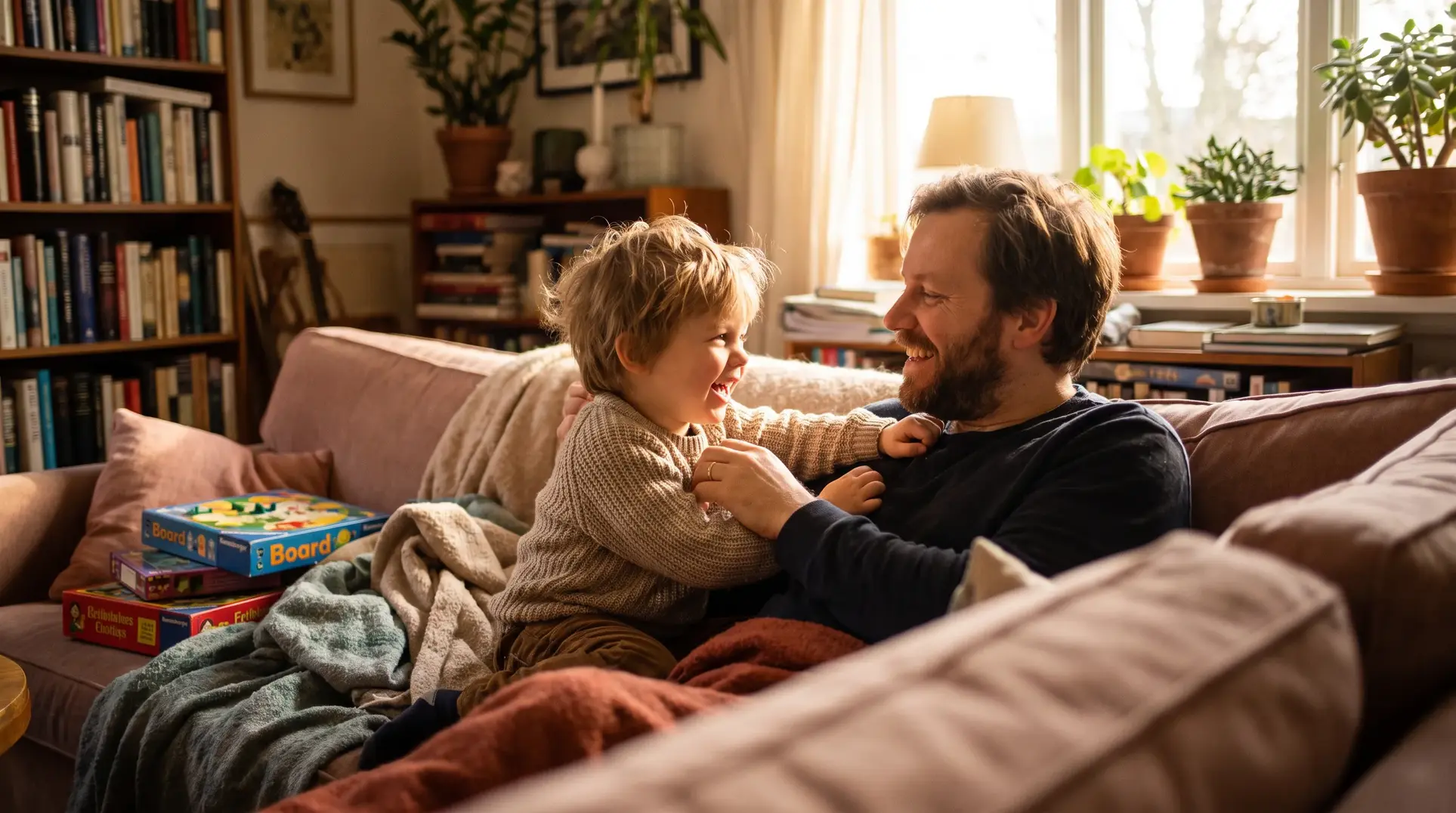
Becoming a step-parent is one of the most rewarding and challenging roles you can take on. You are entering a family that already has its own history, rhythms, and bonds. Your stepchild did not choose you, and you did not raise them from infancy. That asymmetry is not a flaw in your family. It is simply the starting point. The research is clear: stepfamilies can thrive, but the path to connection usually looks different from what most people expect. We want to walk you through what the evidence actually shows about building a relationship with your stepchildren, why patience matters more than effort, and when it makes sense to reach out for support.
This guide is for step-parents who want a genuine relationship with their stepchildren but feel uncertain about their role. It is also for biological parents who want to support their partner and their child through this transition. If you are looking for quick fixes or scripts that guarantee immediate closeness, this is not the right resource. Stepfamily bonding usually unfolds over years, not weeks. If you are ready to play the long game and want practical, research-informed guidance, keep reading.

Before we talk about what you can do, it helps to understand what your stepchild might be experiencing. Children in stepfamilies often carry feelings that are invisible to the adults around them.
These feelings are normal. They are not a sign that your stepchild is broken or that your family is failing. According to the American Academy of Child and Adolescent Psychiatry, stepfamily members need to acknowledge differences, losses, and changes. It may take several years for blended families to fully adjust, though most stepfamilies do work out their problems.
One of the most common mistakes step-parents make is trying too hard, too fast. You want to show your partner and their child that you are committed. But children rarely respond well to pressure. A stepchild who feels pushed to love you may dig in and resist.
The American Academy of Pediatrics recommends that the step-parent develop the relationship with the child slowly, separately from their relationship with the biological parent. It is unrealistic to expect children to immediately respect and love a new step-parent. Children may need to view the step-parent in whatever way is most comfortable at first.
Think of yourself as a warm, dependable adult rather than a replacement parent. You are not trying to erase anyone. You are adding something new.
This is where many stepfamilies run into trouble. You live with this child. You see behaviour that needs correcting. It feels natural to step in. But research consistently shows that step-parents who take on a primary disciplinary role too early often face more conflict and resistance.
The American Academy of Pediatrics advises that, particularly in the first months, step-parents should play a supportive role in discipline while the biological parent stays the primary disciplinarian. Over time, you can move gradually toward shared authority.
Your partner can help by making your role clear: “When I’m not home, Sam is the adult in charge, and I expect you to listen to him.” This gives you backing without forcing you to fight for it yourself.

What works with a five-year-old will not work with a fifteen-year-old. Here is a rough guide.
Rejection hurts. You may be doing everything right and still face coldness, rudeness, or outright hostility. It is important not to take this personally, even when it feels personal.
The American Academy of Pediatrics notes that stepchildren may challenge or keep their distance, and this should not be taken personally. Criticism becomes less common as the months pass, though older children are likely to be more critical.
“I’m not trying to replace your mom. I’d just like to get to know you.” This kind of statement reduces pressure and gives the child permission to let you in at their own pace.
Stepfamilies work best when the adults are aligned. This does not mean you agree on everything. It means you talk through disagreements privately and present a united front to the children.
Understanding how family patterns and roles develop can help you see conflicts differently. Family systems therapy is one framework that looks at the whole family as a system, where each person’s behaviour affects everyone else. This perspective can reduce blame and help you work together more effectively.
Step-parents often feel invisible. You do the work of parenting without the recognition. You may feel caught between your partner’s expectations and your stepchild’s resistance. Mixed feelings are normal. You can love your partner deeply and still feel frustrated, lonely, or resentful at times.
Most stepfamilies work through their challenges over time. But sometimes professional support is needed. The American Academy of Pediatrics suggests that if bonding problems continue, getting help from a counsellor can make a difference.
If you notice these signs, talk with your family doctor or paediatrician. They can help you decide whether a referral to a mental health professional is appropriate. Parent therapy and coaching can give you strategies tailored to your family. Group programs offer a chance to learn from other parents navigating similar challenges.
It also helps to understand how struggles affect the whole family and what family therapy for child wellbeing can offer.

Building a relationship with your stepchildren is not a sprint. It is not even a marathon with a clear finish line. It is an ongoing process that unfolds over years. There will be setbacks. There will be moments of real connection. Both are part of the journey.
What matters most is that you keep showing up. You stay warm, predictable, and patient. You let your stepchild set the pace. You work as a team with your partner. And you get help when you need it.
Stepfamilies can be deeply rewarding. They can give children additional caring adults, new traditions, and a model of resilience. But that outcome is not automatic. It is built through thousands of small moments of respect, repair, and genuine effort. If you are willing to do that work, you are already on the right path.
The biological parent should lead major discipline at first. Agree on household expectations privately, while the step-parent supports routines and intervenes for safety or basic respect.
Do not retaliate or withdraw. Stay calm, respectful, and consistent, and remember that rejection may reflect grief or loyalty conflict rather than a permanent judgment of you.
Consider help if distress, hostility, withdrawal, school or sleep changes, or repeated parenting conflict continues for several weeks without improvement.
Start as a supportive, dependable adult rather than trying to replace a parent. Build trust gradually and let the child set the pace.
Usually longer than expected—often several years. Focus on being warm, reliable, and patient rather than expecting immediate closeness.

You don’t have to keep guessing. With the right tools and support, parenting can feel easier—and your child can thrive.
Book a Free Consultation