

Group Therapy in Toronto for Children and Parents
FFEW offers small, clinician-led therapy groups for children and parents, in person in Toronto and, for many parent groups, virtually across Ontario. Our group therapy for children gives kids a place to practise naming and managing big feelings alongside peers their own age, and our parent groups offer shared experience and practical tools for the adults supporting them.
Book a Free Consultation

What Is Group Therapy?
Group therapy is a research-supported way to gain insight and build skills while connecting with others who truly understand what you’re going through. Unlike large lectures or self-help tips online, our therapy groups are small and guided by experienced mental health professionals. We combine structured psychoeducation with emotional support and group discussion.
Whether you’re joining us virtually from anywhere in Ontario or attending in person in Toronto, you can expect a warm, confidential environment and a compassionate, trauma-informed approach.

Why Choose Group Therapy at FFEW?
At FFEW, our group therapy programs are structured, supportive, and designed with your real-life needs in mind. We draw on established psychological approaches including CBT (Cognitive Behavioural Therapy), DBT (Dialectical Behaviour Therapy), and emotion-focused strategies to help you develop new ways of coping and connecting.
We believe group therapy should be:
- Small and supportive, so you’re never lost in a crowd
- Grounded in evidence, not opinions
- Run by clinicians who know how to hold space and move things forward
- A space where learning and healing happen side by side
Whether you’re a parent looking to build skills or looking for a group for your child, a free consultation can help you find the right fit.
Group Therapy for Children
Children’s therapy groups at FFEW are small, led by a registered clinician, and built around games, movement and hands-on activities, so children learn skills by practising them rather than by sitting and talking. Being with peers who are working on similar things can help children feel less alone with big feelings, and parents stay involved so the same language and tools carry over at home.
Current groups for children
- Feeling Rangers (Grades 2 to 4, roughly ages 7 to 10): an 8-week emotional regulation group at our Danforth East location, where children learn to notice, name and navigate big feelings. Each family meets individually with the facilitator before and after the group.
- Sports Psychology for Kids (ages 9 to 12): an 8-session group at our Riverdale location for young athletes working on pre-game nerves, setbacks, focus and confidence, in cohorts of 5 to 7.
Who a children’s group may suit
A group may be a good fit for a child who:
- Has big reactions that seem out of proportion, or struggles to settle once upset
- Finds it hard to put feelings into words and shows them through behaviour instead
- Gets frustrated easily or gives up when something feels hard
- Worries a lot, or finds conflict with friends and siblings hard to repair
Children do not need a diagnosis to join Feeling Rangers. If you are not sure whether a group or individual therapy for children is the better starting point, a free consultation can help you decide. To read more about how groups can support anxious children, see our guide to children’s anxiety groups.
Explore our Group Services
Parent Group Therapy
Get expert guidance, emotional support, and practical tools in a small group setting with other caregivers.
Explore Parent Groups
Parenting in the Age of Smartphone & AI
A virtual group for parents navigating smartphones, social media, gaming, and AI at home.
Explore Group Details
Sports Psychology for Kids
An in-person group in Riverdale where young athletes build focus, confidence, and composure under pressure.
Explore Group Details
Feeling Rangers
An in-person group at Danforth East where children learn to notice, name, and manage big feelings.
Explore Group Details
Parenting Emotionally Intense TEENS (13-18)
Tools and support for caregivers of teens who feel everything intensely.
Explore Group Details
Parenting Emotionally Intense CHILDREN (6-12)
Skills and support for caregivers helping children manage big emotions and challenging behaviour.
Explore Group Details
Building Blocks for Regulation (0-5)
Strengthen secure attachment and build early emotional skills in the first years of parenting.
Explore Group Details
Parenting Children with Anxiety
Practical strategies and confidence-building tools to support an anxious child.
Explore Group Details


What to Expect in Our Therapy Groups
Our groups are small, with consistent attendance and experienced facilitation. Each group is designed to help participants:
- Understand and manage big emotions
- Learn tools for stress, anxiety, or relationship challenges
- Build confidence and communication skills
- Feel supported by peers and guided by a therapist
Programs typically run for 8 to 10 weeks. Many parent groups meet virtually, and our children’s groups meet in person at our Riverdale and Danforth East locations in Toronto.
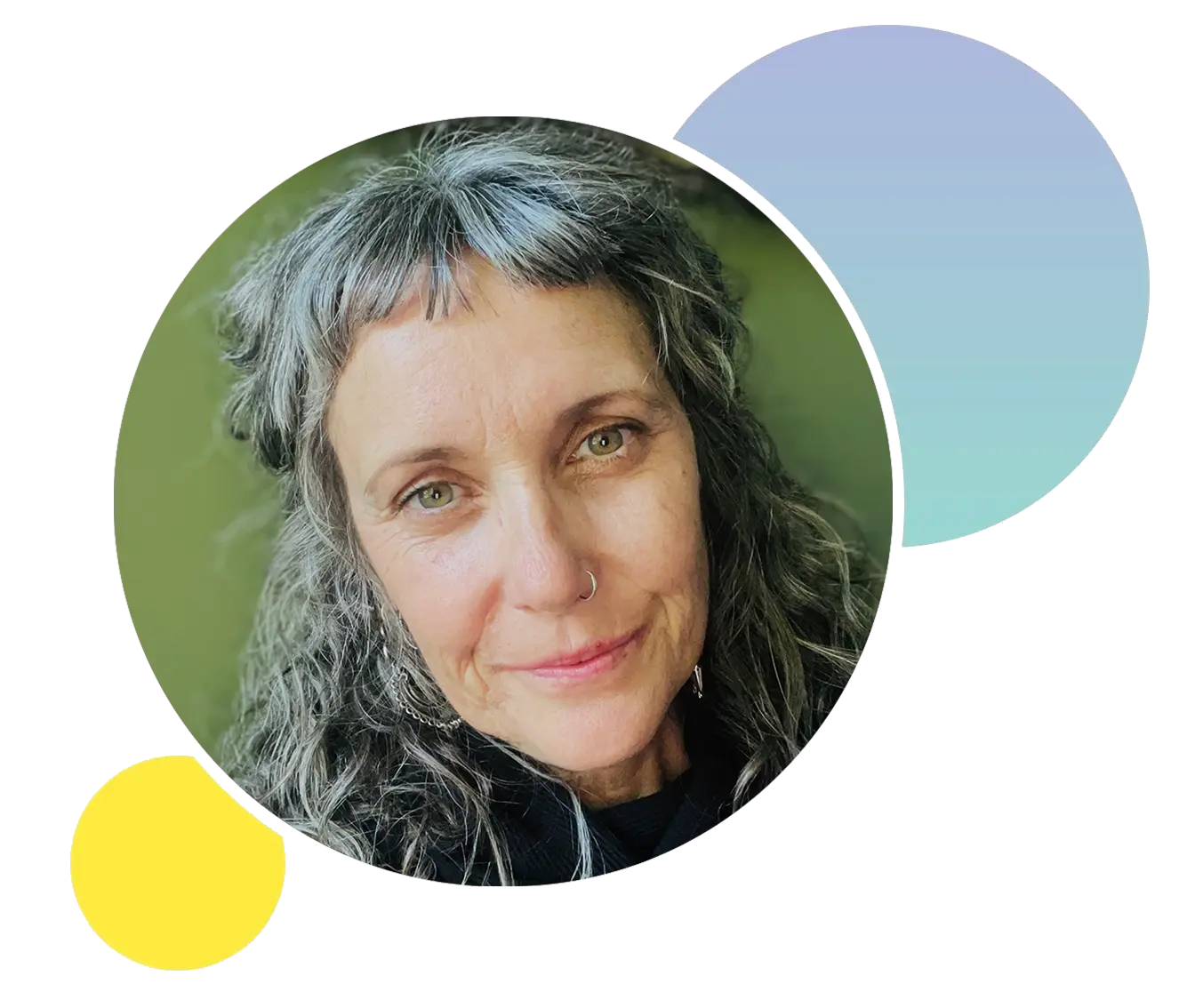
About Heather Leanne McDonald & the FFEW Team
Heather Leanne McDonald specializes in strengthening family connections and communication by helping parents and children understand how temperament, life stressors, and past experiences impact their relationships. With over 22 years of experience in children’s mental health and school systems, she uses attachment-focused interventions and evidence-based approaches like CBT, EFT, and DBT to build families’ emotional toolkits and resilience, enabling them to navigate challenges together while maintaining deep, supportive connections.
Meet Our Team

Frequently Asked Questions
Here are answers to common questions parents ask about this service—so you can feel more confident about what to expect.
Is group therapy as effective as individual therapy?
For many concerns, group therapy can be a helpful alternative or complement to individual therapy, with the added benefit of learning alongside peers. The right format depends on the person, and a free consultation can help you decide.
What kinds of group therapy do you offer?
We offer group therapy for children and for parents. Children’s groups focus on emotional regulation and confidence in sport; parent groups cover topics such as anxiety, emotionally intense children and teens, early regulation, and parenting in the age of smartphones and AI.
Are the groups confidential?
Absolutely. We set clear group guidelines and every participant agrees to confidentiality before joining.
How do I register for a group?
You can start with a free consultation. We’ll help you choose the best fit and provide all the next steps.
Do you offer support groups in Toronto?
Yes, we offer both support groups and psychotherapy groups in Toronto and virtually across Ontario.
What ages is your group therapy for children designed for?
Feeling Rangers is for children in Grades 2 to 4 (roughly ages 7 to 10), and Sports Psychology for Kids is for young athletes ages 9 to 12. For children aged 0 to 5, our Building Blocks for Regulation program works directly with parents.
Are parents involved in children’s groups?
Yes, in different ways. Feeling Rangers includes an individual parent meeting before the group, a parent check-in partway through and an individual meeting at the end. For Sports Psychology for Kids, parents receive a summary of what the group is working on and how to reinforce it at home.
Is a group or individual therapy better for my child?
It depends on your child. Groups can suit children who would benefit from practising skills with peers, while some children do better starting with individual therapy and joining a group later. A free consultation is a good place to talk it through.