
Serving all Ontario residents | In-person and virtual appointments available

Call us today

(647) 360-3294

Skip to content
Back to Blog

Therapeutic Approaches

When Your Anxious Child Refuses Therapy: Parent-Based Treatment Options That Work

A person sits at a wooden table indoors, holding a steaming mug. Sunlight streams through a window with potted plants on the windowsill. Cabinets, a bookshelf, and a lamp are visible in the background, creating a warm and introspective atmosphere.

We know how exhausting it feels when your anxious child refuses the very help you’ve worked so hard to arrange. You’ve noticed the signs—the stomach aches before school, the tearful bedtimes, the endless “what if” questions that never seem satisfied no matter how many times you answer them. You’ve done your research, found a therapist, and mustered the courage to have the conversation. And then your child says no. Not just a hesitant “I’d rather not,” but a firm, sometimes tearful, sometimes angry refusal that leaves you wondering what to do next.

If this sounds familiar, we want you to know something important: you are not alone, and this situation is far more common than you might realize. At Foundations for Emotional Wellness, we work with families navigating this exact challenge every week. The good news? Your child refusing traditional therapy doesn’t mean they can’t get better. In fact, there are evidence-based treatment options that work through you—the parent—even when your child won’t participate directly.
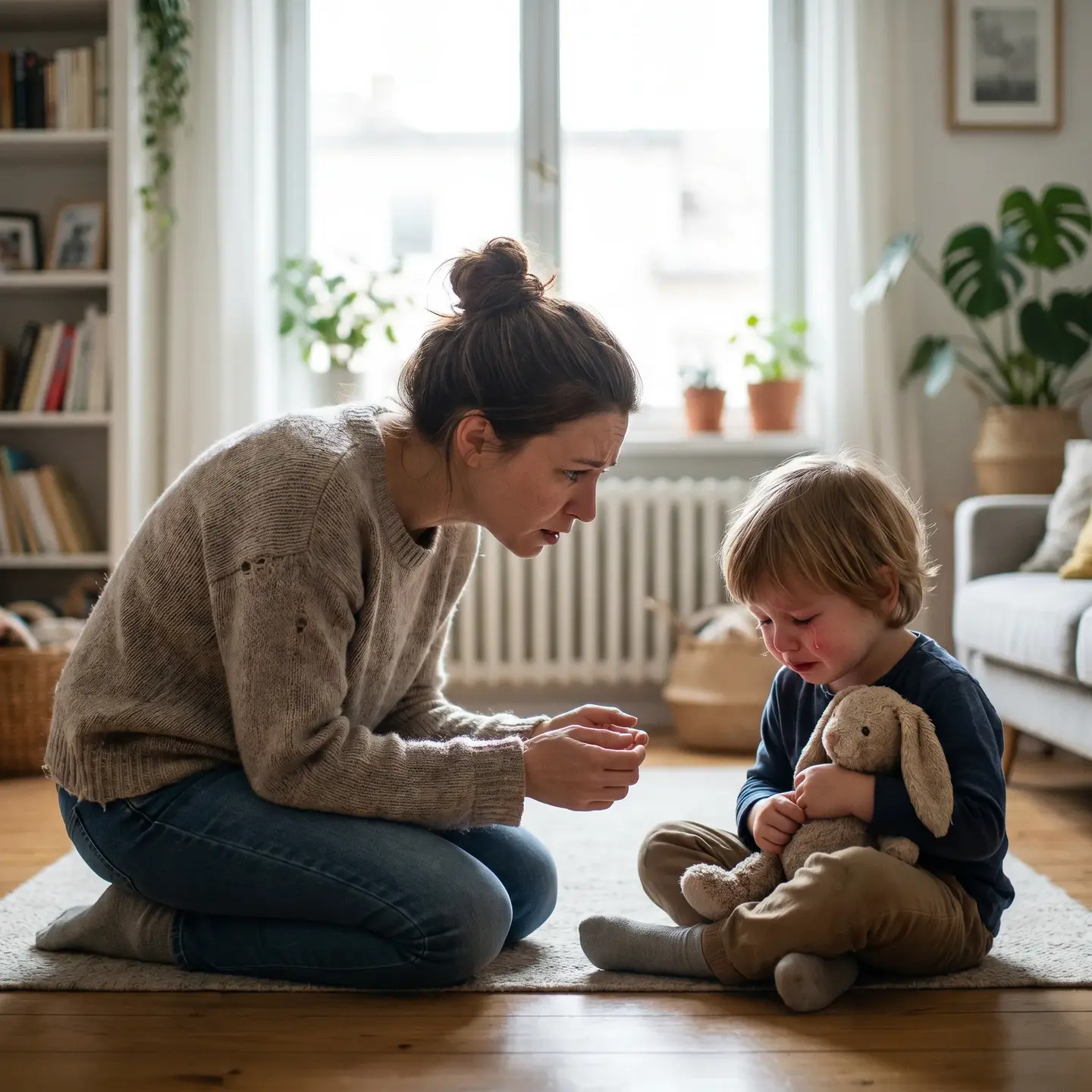
Parents consoling child

Who This Article Is For—and Who It Isn’t

This article is specifically for parents of children (typically ages 4-14) whose anxiety is clearly affecting daily life, but who resist, refuse, or cannot meaningfully engage in traditional one-on-one therapy. You might be experiencing:

  • A child who becomes more anxious at the mere mention of seeing a therapist
  • A child who attended a few sessions but refused to participate or talk
  • A younger child who lacks the developmental capacity for traditional cognitive therapy
  • Repeated failed attempts to “convince” your child that therapy will help

This article is not for parents whose children are experiencing psychiatric emergencies, active self-harm, or severe symptoms requiring immediate crisis intervention. If your child is in crisis, please contact your local emergency services or a crisis line immediately.

Why Anxious Children Refuse Therapy (And Why It’s Not Defiance)

When your anxious child refuses therapy, it’s tempting to interpret their resistance as stubbornness, defiance, or a lack of motivation to feel better. But here’s what we’ve learned from years of working with anxious children: therapy refusal is often an anxiety symptom itself, not a separate problem.

Consider what therapy looks like through the eyes of an anxious child:

  • Anticipatory anxiety: The very act of going to therapy becomes a feared situation, triggering the same avoidance response as other anxiety triggers
  • Avoidance as a core symptom: Anxiety is fundamentally maintained by avoidance—refusing therapy is simply another form of the same pattern driving their other struggles
  • Limited insight: Younger children especially cannot conceptualize that their current distress might improve through future actions; they only know that therapy feels scary right now
  • Talking about anxiety increases anxiety: For many anxious children, discussing their fears doesn’t provide relief—it intensifies the very feelings they’re trying to escape

Understanding this reframe is crucial. Your child isn’t refusing help because they’re oppositional or don’t want to feel better. They’re refusing because their anxiety has extended its reach to include therapy itself. This isn’t a motivation problem; it’s an anxiety problem.

The Accommodation Trap: How Well-Meaning Responses Can Backfire

When your child refuses therapy, your natural instinct is to reduce their distress. You might say things like “It’s okay, you don’t have to go if you’re not ready” or “We’ll wait until you feel comfortable.” These responses come from a place of deep love and a desire to protect your child from suffering.

But here’s where things get complicated. These well-meaning responses—which researchers call “accommodations”—can actually strengthen your child’s anxiety over time.

What accommodation looks like in practice:

  • Dropping the subject when your child gets upset about therapy
  • Waiting indefinitely until your child “feels ready”
  • Answering repeated reassurance questions (“Are you sure I won’t have to talk about anything scary?”)
  • Modifying plans to avoid triggering anxiety about the appointment
  • Making promises about what will or won’t happen in sessions

Each time we accommodate anxiety, we inadvertently send the message: “You’re right to be afraid. You can’t handle this.” The short-term relief comes at the cost of long-term reinforcement. Your child learns that anxiety works—it gets them out of uncomfortable situations—which makes anxiety more likely to appear the next time they face something challenging.

This isn’t about blaming you. Every parent of an anxious child engages in accommodation because it temporarily reduces everyone’s distress. Understanding this pattern is the first step toward breaking it—and toward discovering why parent-based treatment can be so effective.

Why “Just Convincing Them” Rarely Works

If you’ve searched online for help with a therapy-refusing child, you’ve probably encountered advice like:

  • Let your child choose their own therapist
  • Call it “coaching” instead of therapy
  • Offer rewards for attending sessions
  • Keep talking about the benefits until they come around

These strategies can sometimes help with mild reluctance. But for genuinely anxious children, they often fall flat. Here’s why:

Physical attendance doesn’t equal participation. Even if you successfully get your anxious child into a therapist’s office, anxiety-driven non-participation—refusing to talk, not completing between-session activities, shutting down during difficult topics—means no real therapeutic progress occurs. You end up paying for sessions that aren’t working while your child’s anxiety remains unchanged (or worsens, as they now have evidence that even therapy “didn’t help”).

Reassurance and reframing feed the avoidance cycle. When we repeatedly reassure an anxious child that therapy won’t be scary, we’re engaging in the same accommodation pattern. The child learns to seek more reassurance, not to tolerate uncertainty.

Waiting for “readiness” that may never come. Anxiety thrives when we wait for the feeling of fear to subside before taking action. Many anxious children will never spontaneously feel ready for therapy because the readiness comes from facing fears, not from avoiding them long enough that they disappear.

If you’ve tried these approaches and they haven’t worked, you’re not failing. You’re simply using strategies that weren’t designed for the specific challenge of anxiety-driven therapy refusal.

Parent-Based Treatment: A Different Paradigm

Here’s where we can offer you genuine hope. Over the past decade, researchers at the Yale Child Study Center developed a treatment approach specifically designed for situations exactly like yours—where children refuse therapy, are too young for traditional cognitive approaches, or where family factors play a central role in maintaining anxiety.

Parent researching support

This approach is called SPACE Treatment (Supportive Parenting for Anxious Childhood Emotions), and it represents a fundamental shift in how we think about treating childhood anxiety.

The key insight: Parents can be the primary agents of change, even without the child participating in therapy.

This isn’t a compromise or a second-best option. Rigorous clinical trials have demonstrated that SPACE produces outcomes comparable to traditional child-based cognitive behavioral therapy. Children improve—sometimes dramatically—without ever setting foot in a therapist’s office.

How is this possible? Because the treatment targets the patterns that maintain anxiety, and many of those patterns involve family accommodation. When parents learn to respond differently to their child’s anxiety, the entire system shifts.

How SPACE Works When Your Child Won’t Participate

The SPACE treatment approach works through two interconnected strategies:

1. Systematically Reducing Accommodations

Working with a trained clinician, parents identify the specific ways they’ve been modifying their behavior to prevent or reduce their child’s anxiety. This might include:

  • Staying in your child’s room until they fall asleep
  • Driving them to school because they’re too anxious for the bus
  • Answering repeated reassurance questions about safety
  • Speaking for your child in social situations
  • Avoiding family activities that trigger anxiety
  • Checking their homework multiple times because they fear making mistakes

Then, one accommodation at a time, parents learn to reduce these behaviors in a gradual, planned way. This isn’t about withdrawing support abruptly or being harsh. It’s about thoughtfully and systematically helping your child face situations they’ve been avoiding—with your support, but without the accommodations that have been preventing them from learning they can cope.

2. Increasing Supportive Responses

At the same time, parents learn to increase a different kind of support—responses that communicate two essential messages:

  1. “I understand this is hard for you.” Validation that your child’s feelings are real and that you see their struggle.
  2. “I believe you can handle it.” Confidence in your child’s capacity to cope with discomfort.

This combination—validation plus confidence—is fundamentally different from either dismissing anxiety (“There’s nothing to worry about”) or joining the panic (“This is terrible, let me fix it for you”). It creates a relational context where children feel understood while simultaneously receiving the message that they’re capable.

What a SPACE Case Might Look Like

Consider a composite example from our practice: Maya, age 8, had been struggling with separation anxiety for two years. She couldn’t sleep alone, refused to attend birthday parties without a parent present, and had meltdowns before school every morning. Her parents tried three different therapists, but Maya either refused to go or sat silently during sessions.

Maya’s parents began working with one of our clinicians through parent coaching services. Over several months, they gradually reduced their accommodations—first, responding only once to bedtime reassurance requests; then, staying at birthday parties but moving to another room; eventually, creating a structured morning routine without negotiating about school attendance.

Each change was preceded by a supportive conversation with Maya: “We know mornings have been really hard. We understand you feel scared. We love you, and we’re not going to keep helping you avoid school anymore, because we believe you’re strong enough to handle this.”

Maya initially protested—loudly. But within weeks, the meltdowns shortened. Within months, she was sleeping in her own bed, attending parties independently, and going to school without the daily battles. She never attended a single therapy session. Her parents were the treatment.

What Parents Can Start Doing Today

While we strongly recommend working with a trained clinician for structured support, here are some immediate steps you can take while exploring parent-based treatment options:

Step 1: Identify Your Top Three Accommodations

Take a few days to observe your patterns. Write down the specific things you do differently because of your child’s anxiety. Be honest and specific. These aren’t failures—they’re data points that will become your roadmap.

Step 2: Practice Validation Without Accommodation

Begin shifting your language from reassurance to validation. Instead of “Don’t worry, nothing bad will happen,” try “I can see you’re really worried about this. That sounds hard.” Notice how validation acknowledges feelings without promising that avoidance is the solution.

Step 3: Notice Patterns Around Refusal

When is your child’s therapy refusal (or anxiety in general) strongest? What typically happens right before and right after? Understanding these patterns will help you recognize accommodation cycles and eventually interrupt them.

Addressing Common Concerns

When we introduce parent-based treatment, parents often have understandable worries:

“Won’t reducing accommodations make my child feel unsupported?”

This is why the supportive response component is so crucial. SPACE isn’t about withdrawing love or becoming cold. It’s about changing the form of support from one that inadvertently maintains anxiety to one that builds genuine confidence. Children consistently report feeling more supported, not less, when their parents believe in their ability to cope.

“What if their anxiety gets worse?”

It’s common for children to initially protest more intensely when accommodations are reduced—this is actually expected. However, research shows that with consistent implementation, anxiety decreases over time. The temporary discomfort of facing fears is the pathway to lasting relief, while continued avoidance only entrenches the problem.

“Am I responsible for my child’s anxiety?”

Absolutely not. Anxiety has complex causes including genetics, temperament, and life experiences. Accommodation doesn’t cause anxiety—but it can maintain it. The goal isn’t to assign blame but to identify modifiable patterns that give you power to help your child.

When to Consider Additional Support

Parent-based treatment is remarkably effective, but it’s not appropriate for every situation. You should seek additional evaluation and potentially other interventions if your child:

  • Expresses thoughts of self-harm or suicide
  • Has symptoms of psychosis or severe depression alongside anxiety
  • Shows signs of autism spectrum disorder or other neurodevelopmental conditions that may require specialized approaches
  • Has experienced recent trauma that needs direct processing

In many cases, parent-based treatment can work alongside other interventions, or it can serve as a bridge while you wait for specialized services or until your child becomes ready for direct treatment. Understanding accommodation patterns benefits nearly every family dealing with childhood anxiety, regardless of what other supports are in place.

For a deeper understanding of what drives your child’s anxious behaviors, our resource on understanding your child’s behavior can provide additional context.
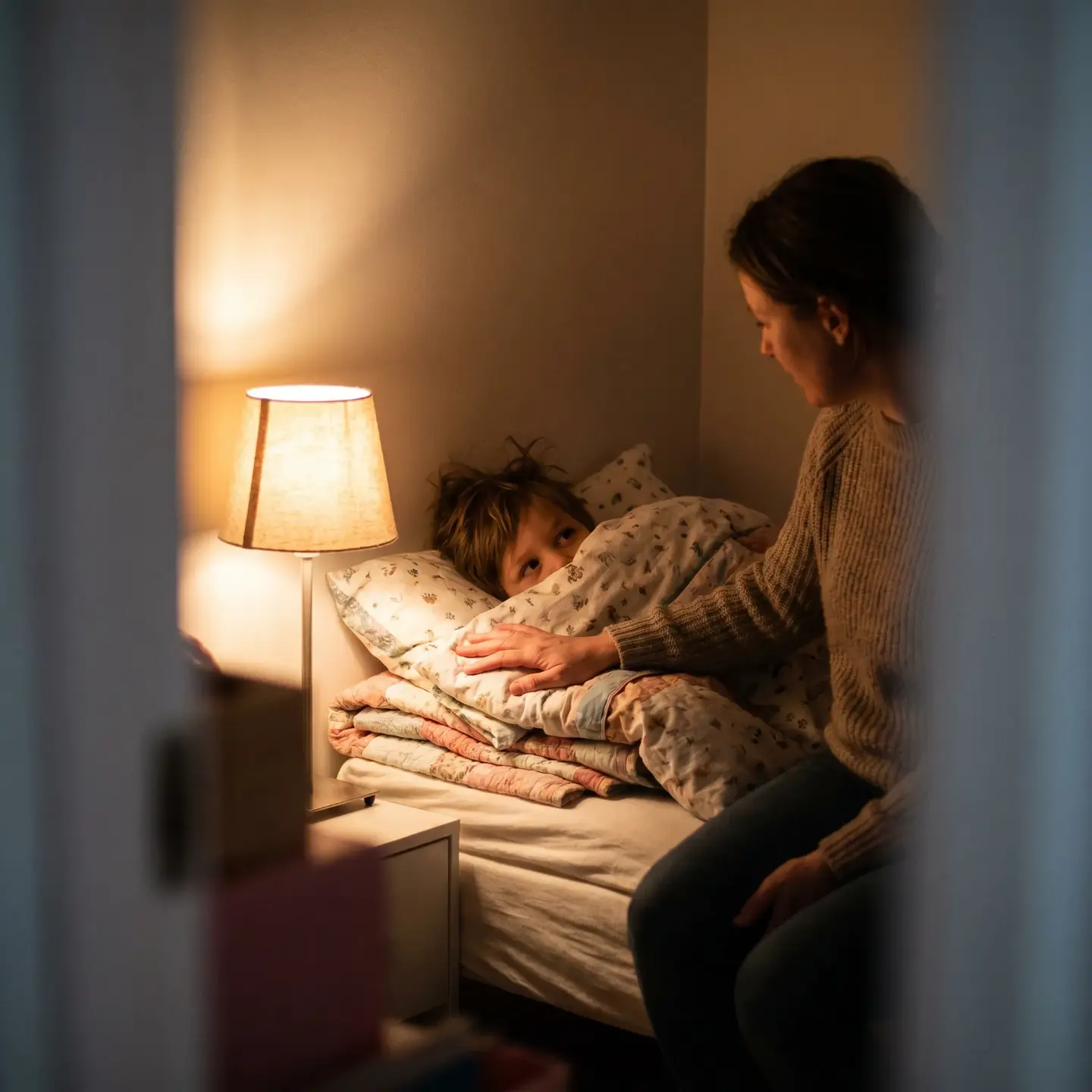
Bedtime anxiety support

Moving Forward With Hope

If you’ve been struggling with an anxious child who refuses therapy, we want to leave you with this message: you are not stuck. The fact that your child won’t participate in traditional therapy doesn’t mean they can’t get better. It doesn’t mean you’ve failed. And it doesn’t mean you’re out of options.

Parent-based treatment approaches like SPACE were developed precisely for families like yours. They’re built on the recognition that parents are not peripheral figures in their children’s mental health—they’re central. With the right guidance, you can become the most powerful therapeutic force in your child’s life.

Research from the evidence-based anxiety treatment approaches field continues to demonstrate what we see in our practice every day: when parents change their responses, children change too.

At Foundations for Emotional Wellness, our parent coaching services are designed to guide you through this process with expert support, practical strategies, and the compassionate encouragement every parent deserves. Whether you’re just beginning to explore options or you’ve been struggling with your child’s anxiety for years, we’re here to help you find a path forward—one that works even when your child says no.

You don’t have to wait for your child to be ready. You can start helping them today.

Frequently Asked Questions

First, write down your top three anxiety-driven accommodations so you can see the pattern clearly. Then begin shifting your language from reassurance (“It will be fine, don’t worry”) to validation plus confidence (“I can see this is really scary for you, and I believe you can handle it”), without promising avoidance as the solution.

It’s a good fit if your child (around ages 4–14) has anxiety that interferes with daily life and either refuses therapy, shuts down in sessions, or is too young to benefit from traditional talk-based CBT—and there is no immediate safety crisis like self-harm or psychosis.

Accommodations are the ways you change your behavior to prevent or reduce your child’s anxiety—like letting them skip feared situations, staying with them until they fall asleep, answering endless reassurance questions, or avoiding mentioning therapy. These feel helpful short term but quietly keep anxiety in charge.

Start by reframing their refusal as a symptom of anxiety, not defiance. Instead of pushing harder to convince them, focus on changing your own responses—especially the ways you accommodate their anxiety—because parent-based approaches like SPACE can help your child improve even if they never attend a session.

At first your child may protest more—that’s expected—but you pair reduced accommodation with strong support: clearly validating that this is hard and calmly expressing confidence that they can handle it. Over time, this mix of warmth and firm belief helps anxiety decrease and your child feel more capable, not abandoned.

Dr. Zia Lakdawalla
Dr. Zia Lakdawalla
I am a registered clinical psychologist who specializes in working with children, adolescents, and parents. My goal is to help clients cope with uncomfortable feelings, improve relationships, and increase competency and efficacy in managing the demands of each new stage of development.I am also a strong believer that the environment in which kids are immersed is a critical factor in how they learn to regulate their emotions and build resilience.

Take the first step toward calm, connected parenting

You don’t have to keep guessing. With the right tools and support, parenting can feel easier—and your child can thrive.

Book a Free Consultation

How we Treat

What we Treat

When Your Anxious Child Refuses Therapy: Parent-Based Treatment Options That Work

Therapeutic Approaches

By: Dr. Zia

A person sits at a wooden table indoors, holding a steaming mug. Sunlight streams through a window with potted plants on the windowsill. Cabinets, a bookshelf, and a lamp are visible in the background, creating a warm and introspective atmosphere.

We know how exhausting it feels when your anxious child refuses the very help you’ve worked so hard to arrange. You’ve noticed the signs—the stomach aches before school, the tearful bedtimes, the endless “what if” questions that never seem satisfied no matter how many times you answer them. You’ve done your research, found a therapist, and mustered the courage to have the conversation. And then your child says no. Not just a hesitant “I’d rather not,” but a firm, sometimes tearful, sometimes angry refusal that leaves you wondering what to do next.

If this sounds familiar, we want you to know something important: you are not alone, and this situation is far more common than you might realize. At Foundations for Emotional Wellness, we work with families navigating this exact challenge every week. The good news? Your child refusing traditional therapy doesn’t mean they can’t get better. In fact, there are evidence-based treatment options that work through you—the parent—even when your child won’t participate directly.

Parents consoling child

Who This Article Is For—and Who It Isn’t

This article is specifically for parents of children (typically ages 4-14) whose anxiety is clearly affecting daily life, but who resist, refuse, or cannot meaningfully engage in traditional one-on-one therapy. You might be experiencing:

  • A child who becomes more anxious at the mere mention of seeing a therapist
  • A child who attended a few sessions but refused to participate or talk
  • A younger child who lacks the developmental capacity for traditional cognitive therapy
  • Repeated failed attempts to “convince” your child that therapy will help

This article is not for parents whose children are experiencing psychiatric emergencies, active self-harm, or severe symptoms requiring immediate crisis intervention. If your child is in crisis, please contact your local emergency services or a crisis line immediately.

Why Anxious Children Refuse Therapy (And Why It’s Not Defiance)

When your anxious child refuses therapy, it’s tempting to interpret their resistance as stubbornness, defiance, or a lack of motivation to feel better. But here’s what we’ve learned from years of working with anxious children: therapy refusal is often an anxiety symptom itself, not a separate problem.

Consider what therapy looks like through the eyes of an anxious child:

  • Anticipatory anxiety: The very act of going to therapy becomes a feared situation, triggering the same avoidance response as other anxiety triggers
  • Avoidance as a core symptom: Anxiety is fundamentally maintained by avoidance—refusing therapy is simply another form of the same pattern driving their other struggles
  • Limited insight: Younger children especially cannot conceptualize that their current distress might improve through future actions; they only know that therapy feels scary right now
  • Talking about anxiety increases anxiety: For many anxious children, discussing their fears doesn’t provide relief—it intensifies the very feelings they’re trying to escape

Understanding this reframe is crucial. Your child isn’t refusing help because they’re oppositional or don’t want to feel better. They’re refusing because their anxiety has extended its reach to include therapy itself. This isn’t a motivation problem; it’s an anxiety problem.

The Accommodation Trap: How Well-Meaning Responses Can Backfire

When your child refuses therapy, your natural instinct is to reduce their distress. You might say things like “It’s okay, you don’t have to go if you’re not ready” or “We’ll wait until you feel comfortable.” These responses come from a place of deep love and a desire to protect your child from suffering.

But here’s where things get complicated. These well-meaning responses—which researchers call “accommodations”—can actually strengthen your child’s anxiety over time.

What accommodation looks like in practice:

  • Dropping the subject when your child gets upset about therapy
  • Waiting indefinitely until your child “feels ready”
  • Answering repeated reassurance questions (“Are you sure I won’t have to talk about anything scary?”)
  • Modifying plans to avoid triggering anxiety about the appointment
  • Making promises about what will or won’t happen in sessions

Each time we accommodate anxiety, we inadvertently send the message: “You’re right to be afraid. You can’t handle this.” The short-term relief comes at the cost of long-term reinforcement. Your child learns that anxiety works—it gets them out of uncomfortable situations—which makes anxiety more likely to appear the next time they face something challenging.

This isn’t about blaming you. Every parent of an anxious child engages in accommodation because it temporarily reduces everyone’s distress. Understanding this pattern is the first step toward breaking it—and toward discovering why parent-based treatment can be so effective.

Why “Just Convincing Them” Rarely Works

If you’ve searched online for help with a therapy-refusing child, you’ve probably encountered advice like:

  • Let your child choose their own therapist
  • Call it “coaching” instead of therapy
  • Offer rewards for attending sessions
  • Keep talking about the benefits until they come around

These strategies can sometimes help with mild reluctance. But for genuinely anxious children, they often fall flat. Here’s why:

Physical attendance doesn’t equal participation. Even if you successfully get your anxious child into a therapist’s office, anxiety-driven non-participation—refusing to talk, not completing between-session activities, shutting down during difficult topics—means no real therapeutic progress occurs. You end up paying for sessions that aren’t working while your child’s anxiety remains unchanged (or worsens, as they now have evidence that even therapy “didn’t help”).

Reassurance and reframing feed the avoidance cycle. When we repeatedly reassure an anxious child that therapy won’t be scary, we’re engaging in the same accommodation pattern. The child learns to seek more reassurance, not to tolerate uncertainty.

Waiting for “readiness” that may never come. Anxiety thrives when we wait for the feeling of fear to subside before taking action. Many anxious children will never spontaneously feel ready for therapy because the readiness comes from facing fears, not from avoiding them long enough that they disappear.

If you’ve tried these approaches and they haven’t worked, you’re not failing. You’re simply using strategies that weren’t designed for the specific challenge of anxiety-driven therapy refusal.

Parent-Based Treatment: A Different Paradigm

Here’s where we can offer you genuine hope. Over the past decade, researchers at the Yale Child Study Center developed a treatment approach specifically designed for situations exactly like yours—where children refuse therapy, are too young for traditional cognitive approaches, or where family factors play a central role in maintaining anxiety.

Parent researching support

This approach is called SPACE Treatment (Supportive Parenting for Anxious Childhood Emotions), and it represents a fundamental shift in how we think about treating childhood anxiety.

The key insight: Parents can be the primary agents of change, even without the child participating in therapy.

This isn’t a compromise or a second-best option. Rigorous clinical trials have demonstrated that SPACE produces outcomes comparable to traditional child-based cognitive behavioral therapy. Children improve—sometimes dramatically—without ever setting foot in a therapist’s office.

How is this possible? Because the treatment targets the patterns that maintain anxiety, and many of those patterns involve family accommodation. When parents learn to respond differently to their child’s anxiety, the entire system shifts.

How SPACE Works When Your Child Won’t Participate

The SPACE treatment approach works through two interconnected strategies:

1. Systematically Reducing Accommodations

Working with a trained clinician, parents identify the specific ways they’ve been modifying their behavior to prevent or reduce their child’s anxiety. This might include:

  • Staying in your child’s room until they fall asleep
  • Driving them to school because they’re too anxious for the bus
  • Answering repeated reassurance questions about safety
  • Speaking for your child in social situations
  • Avoiding family activities that trigger anxiety
  • Checking their homework multiple times because they fear making mistakes

Then, one accommodation at a time, parents learn to reduce these behaviors in a gradual, planned way. This isn’t about withdrawing support abruptly or being harsh. It’s about thoughtfully and systematically helping your child face situations they’ve been avoiding—with your support, but without the accommodations that have been preventing them from learning they can cope.

2. Increasing Supportive Responses

At the same time, parents learn to increase a different kind of support—responses that communicate two essential messages:

  1. “I understand this is hard for you.” Validation that your child’s feelings are real and that you see their struggle.
  2. “I believe you can handle it.” Confidence in your child’s capacity to cope with discomfort.

This combination—validation plus confidence—is fundamentally different from either dismissing anxiety (“There’s nothing to worry about”) or joining the panic (“This is terrible, let me fix it for you”). It creates a relational context where children feel understood while simultaneously receiving the message that they’re capable.

What a SPACE Case Might Look Like

Consider a composite example from our practice: Maya, age 8, had been struggling with separation anxiety for two years. She couldn’t sleep alone, refused to attend birthday parties without a parent present, and had meltdowns before school every morning. Her parents tried three different therapists, but Maya either refused to go or sat silently during sessions.

Maya’s parents began working with one of our clinicians through parent coaching services. Over several months, they gradually reduced their accommodations—first, responding only once to bedtime reassurance requests; then, staying at birthday parties but moving to another room; eventually, creating a structured morning routine without negotiating about school attendance.

Each change was preceded by a supportive conversation with Maya: “We know mornings have been really hard. We understand you feel scared. We love you, and we’re not going to keep helping you avoid school anymore, because we believe you’re strong enough to handle this.”

Maya initially protested—loudly. But within weeks, the meltdowns shortened. Within months, she was sleeping in her own bed, attending parties independently, and going to school without the daily battles. She never attended a single therapy session. Her parents were the treatment.

What Parents Can Start Doing Today

While we strongly recommend working with a trained clinician for structured support, here are some immediate steps you can take while exploring parent-based treatment options:

Step 1: Identify Your Top Three Accommodations

Take a few days to observe your patterns. Write down the specific things you do differently because of your child’s anxiety. Be honest and specific. These aren’t failures—they’re data points that will become your roadmap.

Step 2: Practice Validation Without Accommodation

Begin shifting your language from reassurance to validation. Instead of “Don’t worry, nothing bad will happen,” try “I can see you’re really worried about this. That sounds hard.” Notice how validation acknowledges feelings without promising that avoidance is the solution.

Step 3: Notice Patterns Around Refusal

When is your child’s therapy refusal (or anxiety in general) strongest? What typically happens right before and right after? Understanding these patterns will help you recognize accommodation cycles and eventually interrupt them.

Addressing Common Concerns

When we introduce parent-based treatment, parents often have understandable worries:

“Won’t reducing accommodations make my child feel unsupported?”

This is why the supportive response component is so crucial. SPACE isn’t about withdrawing love or becoming cold. It’s about changing the form of support from one that inadvertently maintains anxiety to one that builds genuine confidence. Children consistently report feeling more supported, not less, when their parents believe in their ability to cope.

“What if their anxiety gets worse?”

It’s common for children to initially protest more intensely when accommodations are reduced—this is actually expected. However, research shows that with consistent implementation, anxiety decreases over time. The temporary discomfort of facing fears is the pathway to lasting relief, while continued avoidance only entrenches the problem.

“Am I responsible for my child’s anxiety?”

Absolutely not. Anxiety has complex causes including genetics, temperament, and life experiences. Accommodation doesn’t cause anxiety—but it can maintain it. The goal isn’t to assign blame but to identify modifiable patterns that give you power to help your child.

When to Consider Additional Support

Parent-based treatment is remarkably effective, but it’s not appropriate for every situation. You should seek additional evaluation and potentially other interventions if your child:

  • Expresses thoughts of self-harm or suicide
  • Has symptoms of psychosis or severe depression alongside anxiety
  • Shows signs of autism spectrum disorder or other neurodevelopmental conditions that may require specialized approaches
  • Has experienced recent trauma that needs direct processing

In many cases, parent-based treatment can work alongside other interventions, or it can serve as a bridge while you wait for specialized services or until your child becomes ready for direct treatment. Understanding accommodation patterns benefits nearly every family dealing with childhood anxiety, regardless of what other supports are in place.

For a deeper understanding of what drives your child’s anxious behaviors, our resource on understanding your child’s behavior can provide additional context.

Bedtime anxiety support

Moving Forward With Hope

If you’ve been struggling with an anxious child who refuses therapy, we want to leave you with this message: you are not stuck. The fact that your child won’t participate in traditional therapy doesn’t mean they can’t get better. It doesn’t mean you’ve failed. And it doesn’t mean you’re out of options.

Parent-based treatment approaches like SPACE were developed precisely for families like yours. They’re built on the recognition that parents are not peripheral figures in their children’s mental health—they’re central. With the right guidance, you can become the most powerful therapeutic force in your child’s life.

Research from the evidence-based anxiety treatment approaches field continues to demonstrate what we see in our practice every day: when parents change their responses, children change too.

At Foundations for Emotional Wellness, our parent coaching services are designed to guide you through this process with expert support, practical strategies, and the compassionate encouragement every parent deserves. Whether you’re just beginning to explore options or you’ve been struggling with your child’s anxiety for years, we’re here to help you find a path forward—one that works even when your child says no.

You don’t have to wait for your child to be ready. You can start helping them today.

Group Therapy… Why I think it may be right for you

As we recover from the COVID 19 pandemic, many families are struggling. Children are facing challenges at school and at …

Read more

Empowering Parents: Effective Strategies for Parenting Anxious Children [Podcast]

In this enlightening YouTube video, child psychologist Dr. Zia Lakdawala shares her wealth of knowledge and experience i…

Read more

A Parent’s Guide to Starting Child/Teen Therapy at FFEW

Taking the first step towards your child’s mental health journey can feel overwhelming, but it’s also one of…

Read more