

Group Therapy… Why I think it may be right for you
As we recover from the COVID 19 pandemic, many families are struggling. Children are facing challenges at school and at …
Read more
Therapeutic Approaches
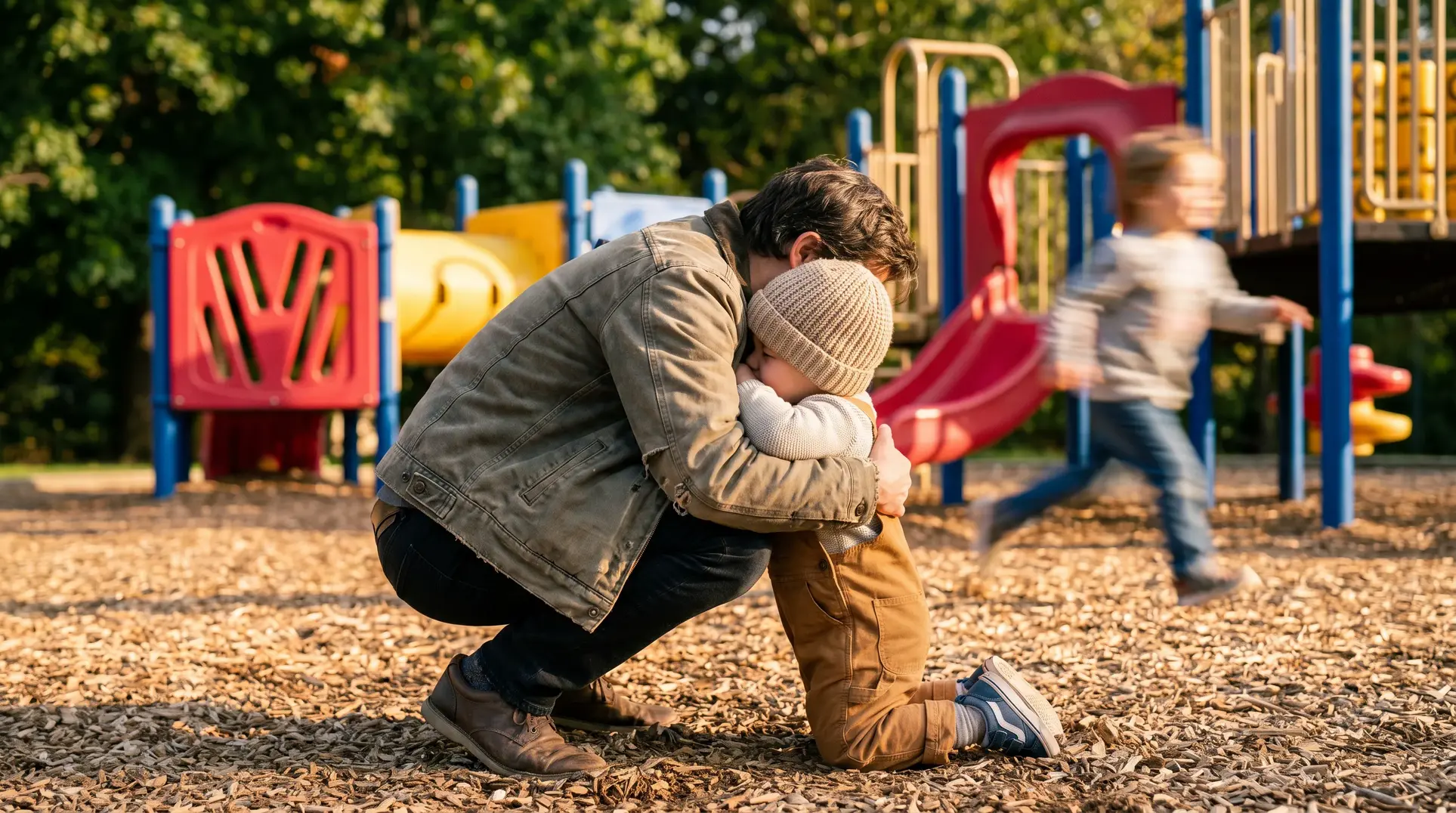
When a child runs back to a parent’s arms after a tumble at the playground, or looks over their shoulder mid-adventure to make sure someone is watching, they are showing us something essential about what it means to feel safe. The Circle of Security is a way of understanding these moments, a visual map that helps us see the dance between a child’s need to explore the world and their need to return for comfort and connection. Developed by a group of clinicians in the United States, this framework has shaped how many parents and professionals think about attachment and connection. In our work with families, we find that understanding the Circle can shift how parents respond to challenging behaviour, not by offering a quick fix, but by helping them see what their child might actually need.

At its heart, the Circle of Security is a map of attachment. It shows the constant movement between two sides of a child’s experience:
The parent or caregiver is represented as the “hands” supporting both sides of this circle. The child moves outward when they feel secure enough to try new things, and they return when they feel overwhelmed, tired, uncertain or simply need to reconnect. Both directions are normal and necessary. Exploration depends on the confidence that a trusted adult remains available, while comfort helps the child become regulated enough to explore again.
This is not a model about making children behave. It is about understanding that behaviour is communication. When we can read what a child’s behaviour is telling us about their underlying need, we can respond in a way that actually helps.
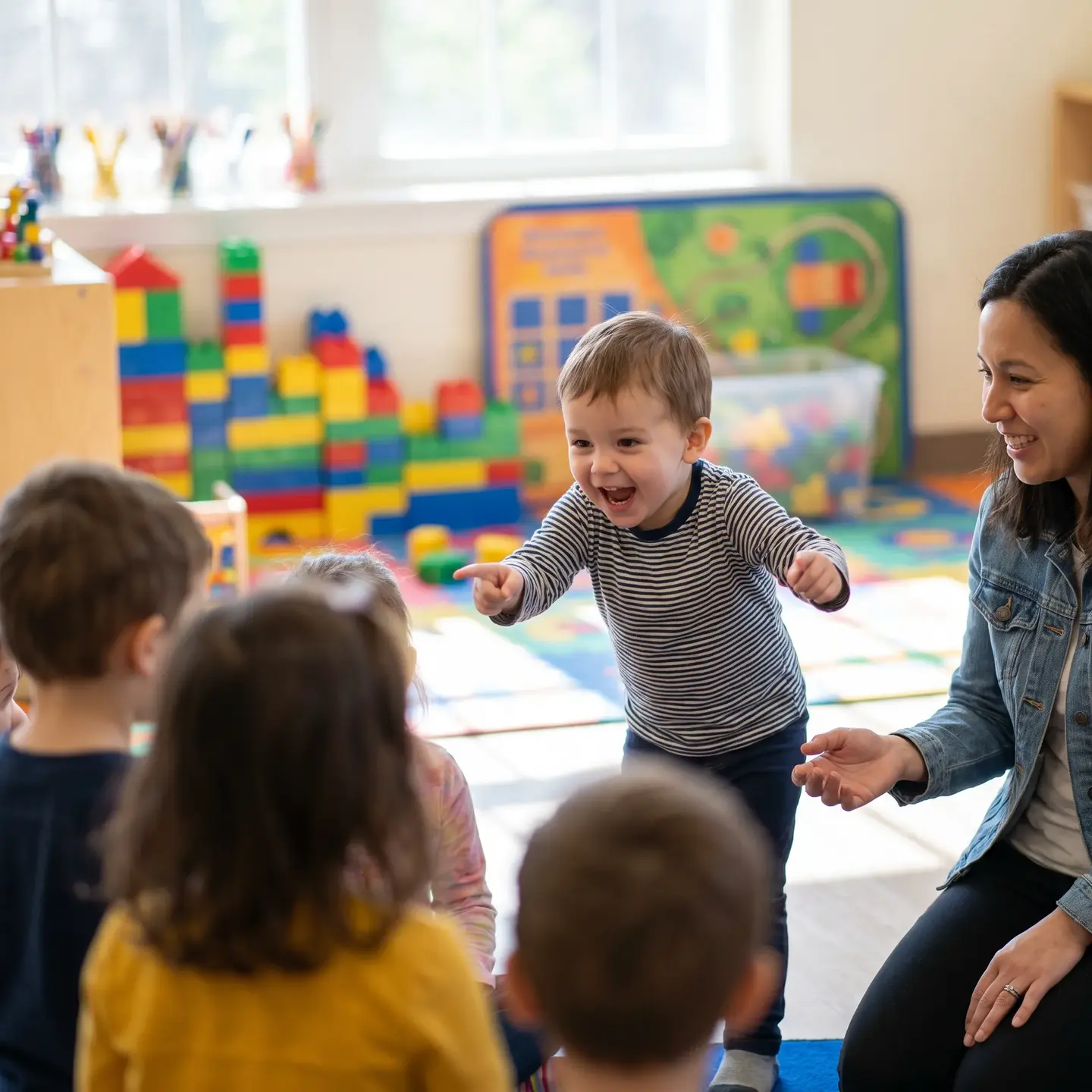
When a child feels safe, they naturally want to move outward. They want to play, try new things, approach other children, test ideas and take age-appropriate risks. At these moments, children often communicate:
The caregiver’s role at the top of the circle is to stay available without taking over. This might look like sitting nearby while a toddler builds a block tower, offering encouragement when a school-age child tackles a difficult homework problem, or simply being present while a teenager works through a social situation on their own. The message from the caregiver is: “I’m here. I believe in you. I’ll help if you need me.”
No matter how confident a child becomes, they will eventually need to return. They might feel scared, hurt, frustrated, overwhelmed or simply tired. At these moments, the attachment system activates, and the child seeks the caregiver for comfort and protection. What children need at the bottom of the circle includes:
The caregiver’s role here is to welcome the child back, regulate before reasoning, and provide the safety needed for the child to calm down. This might look like holding a crying toddler after a fall, sitting quietly with a child who is overwhelmed by a friendship conflict, or simply being a steady presence when a teenager comes home upset but not ready to talk.
The bottom of the circle is not about solving the problem immediately. It is about helping the child feel safe enough to eventually solve it themselves or accept help.
The caregiver, represented as the hands holding the circle, serves two related functions:
According to the Ontario Child and Parent Resource Institute, children with healthy attachments feel confident and trust their caregiver to meet their needs. These healthy attachments can act as a buffer against negative life events. The secure base supports exploration and learning new skills, while the safe haven helps children regulate emotions when they become too big to manage alone.
For a deeper look at how the secure base supports children’s development, see our article on the secure base explained.
The central instruction of the Circle of Security is often summarized as:
“Always be bigger, stronger, wiser and kind. Whenever possible, follow the child’s need; whenever necessary, take charge.”
This phrase is easy to misunderstand. It is not about being physically intimidating, being the boss, or never making mistakes. Here is what each quality actually means:
These qualities work together. When the balance is off, children experience something different:
When all four qualities are present, the child experiences something like: “The adult can handle both me and the situation while still caring about how I feel.”
Imagine a four-year-old who is told it is time to leave the playground. They throw themselves on the ground, screaming. Being bigger, stronger, wiser and kind might sound like:
“I can see you’re really disappointed. You don’t want to leave. I’m going to help us get to the car now. I’m right here with you.”
The parent is taking charge (bigger, stronger), understanding that disappointment is hard (wiser), and delivering the limit with warmth rather than anger (kind). The child does not have to like it, but they learn that their feelings are not too much for their parent to handle.
One of the most useful ideas from the Circle of Security is that challenging behaviour often signals an unmet need. The child may not be able to say what they need directly, especially when they are overwhelmed. Sometimes they give what the model calls a “miscue,” a signal that hides or disguises their real need.
Toddlers and preschoolers (2 to 5 years):
School-age children (6 to 12 years):
Teenagers (13 and up):
The needs at the top and bottom of the circle do not disappear as children grow. Adolescents still need a secure base from which to develop their identity and a safe haven when the world feels too much. The way parents offer this support changes, but the underlying need remains.
No parent can be perfectly attuned all the time. There will be moments when we misread the cue, react from our own stress, or simply get it wrong. In the Circle of Security framework, these moments are called “ruptures.” They are inevitable.
What matters most is repair. Repair means:
Repair might sound like: “I yelled earlier, and that wasn’t fair to you. I was frustrated, but that’s not your fault. The rule about screen time still matters, but I want to talk about it more calmly now.”
When children experience rupture followed by repair, they learn that relationships can survive conflict and that adults take responsibility for their own behaviour. This is a powerful lesson.
For many parents, certain parts of the circle are easier to respond to than others. Some find it natural to encourage exploration but feel uncomfortable with big emotions. Others welcome the comfort-seeking moments but struggle to let their child take risks.
This is normal, and it is often connected to our own experiences growing up. If your own needs for comfort were dismissed or ignored, it might feel unfamiliar or even uncomfortable when your child needs the same thing from you. If independence was not supported in your childhood, you might feel anxious when your child moves away from you.
Noticing these patterns is not about blame. It is about understanding yourself well enough to respond to the child in front of you, rather than reacting from old patterns that may not fit the current moment.
Circle of Security is both a framework (the ideas we have been describing) and a structured parenting program called Circle of Security Parenting. According to Children’s Mental Health Ontario, this program is a manualized, video-based intervention designed to help caregivers provide a secure base and a safe environment. It aims to shift caregiver focus from behaviour management to the quality of the relationship.
The formal program typically runs over eight sessions, using video clips, handouts and group discussion. It is delivered by trained facilitators who have completed specific certification through Circle of Security International.
The ideas from the Circle of Security can be helpful even without taking the formal program. Understanding the map of secure base and safe haven, and practising the qualities of bigger, stronger, wiser and kind, can inform how any parent responds to their child’s daily needs.
This article is for:
This article is not:
The Circle of Security gives us a useful way to think about connection. But sometimes, despite our best efforts:
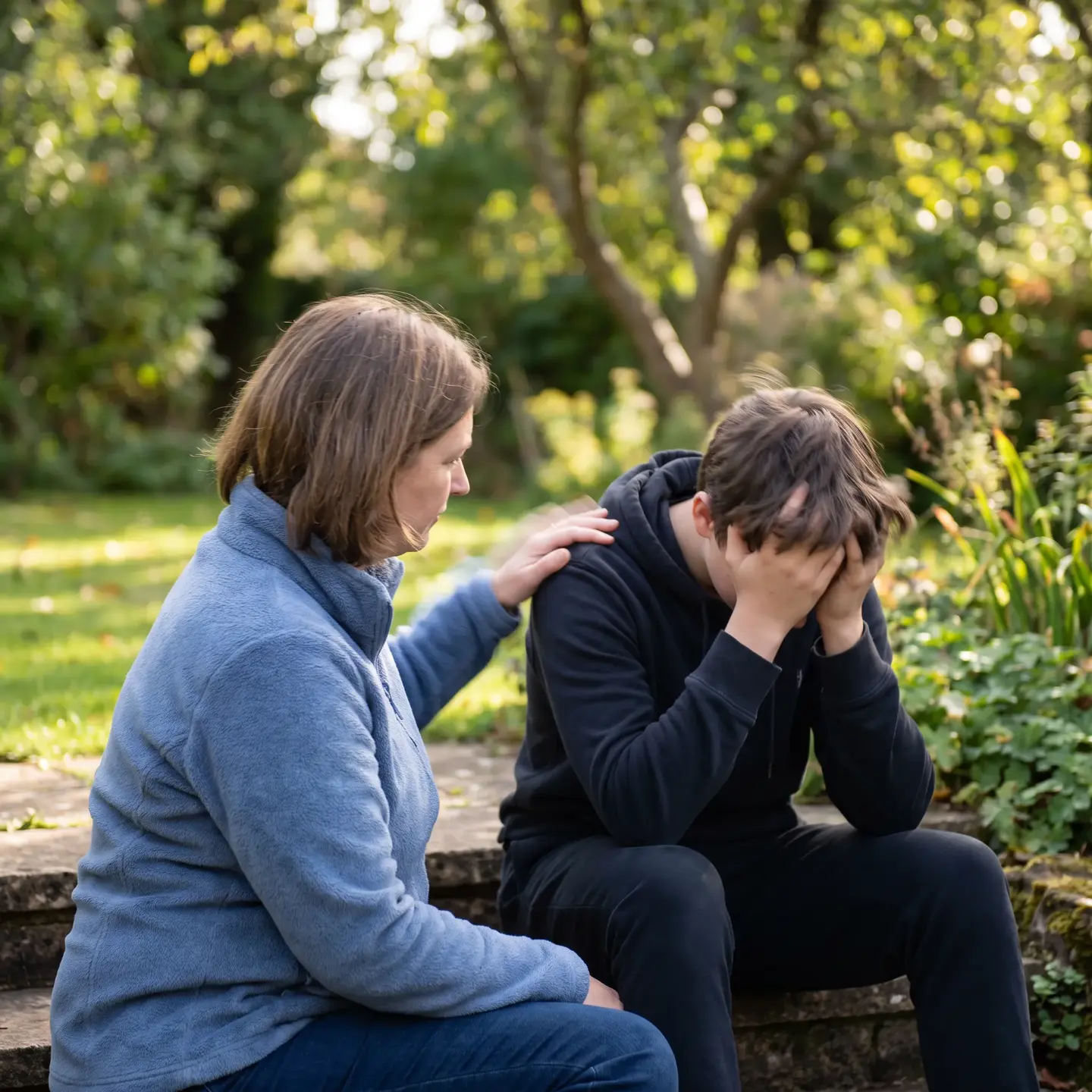
In these situations, it helps to talk with your family doctor or paediatrician about what is happening. A mental health professional who works with families can help you understand your child’s needs and your own responses in more depth.
If you are looking for support navigating your child’s emotional or behavioural challenges, or if you want help applying these ideas in your own family, see our parent therapy and coaching page. If you are interested in the formal Circle of Security Parenting program, look for a registered facilitator in your area.
For a brief overview of the Circle of Security concept, visit our Circle of Security in brief knowledge bank entry.
The Circle of Security is not about perfect parenting. It is about good-enough caregiving: being reliably available, noticing when we miss, and taking responsibility for repair. It is about asking ourselves, in the hard moments:
What does my child need from me right now, and how can I meet that need while remaining the calm, responsible adult?
That question, asked again and again, is the quiet work of building security. It will not prevent every tantrum or smooth every transition. But over time, it gives children something invaluable: the deep knowledge that their needs matter, that their feelings can be handled, and that there is someone bigger, stronger, wiser and kind who has their back.
Stay nearby, show interest and offer help without taking over. Your child needs to feel supported while still developing independence.
It is a visual map of attachment that shows children moving between exploring independently and returning to a caregiver for comfort, protection and connection.
Prioritise safety and connection before reasoning. Stay calm, acknowledge the feeling and take charge warmly when necessary.
It means providing safe, confident leadership while respecting your child’s feelings. Set limits with warmth rather than fear, anger or control.
Repair the rupture by acknowledging what happened, taking responsibility and reconnecting. For example, apologise for yelling while calmly restating any necessary limit.

You don’t have to keep guessing. With the right tools and support, parenting can feel easier—and your child can thrive.
Book a Free Consultation
